Investing in whisky casks: the cask as a living long-term investment
Investing in whisky casks appeals to a growing group of investors looking for a tangible asset with its own rhythm, detached from the daily movement of stocks and bonds. A cask of whisky is not a passive asset you lock away and forget: from the moment the spirit flows into the oak, a biological process begins that you cannot speed up, namely maturation.

Stijn de Smit · 20 July 2026 · 6 min read
- Single malt
- Investing
- Whisky
In this article you will read how a cask can develop in value, the role professional cask management plays, which risks are involved and how to start responsibly.
What is a whisky cask, and why do investors choose one?
Anyone buying a whisky cask acquires legal and economic ownership of the whisky maturing inside it. That ownership is recorded in official documents, of which the so-called delivery order (issued by the certified bonded warehouse) is the most important. As long as the cask is not bottled, it stays stored in a duty-suspended customs warehouse (bonded warehouse), so no excise duty is due during maturation.
The distinguishing feature is time. Whereas the value of a bottled whisky is driven mainly by market demand, a cask follows a more organic logic: the whisky draws compounds from the wood, changes character and gradually loses volume to the air. What remains is richer and rarer. Experts estimate that 60 to 80 percent of the character comes from the cask, more than from the water or the still. The choice of cask (bourbon, sherry or for example port) is therefore not a detail, but partly determines the future flavour profile.
How value develops in a cask: time, scarcity and maturation
The value development of a cask is not linear. In the first ten to fifteen years, value usually grows gradually. Only when the whisky matures towards twenty years can the curve rise more steeply. The reason is scarcity: the vast majority of Scotch whisky production (around 88 percent) is bottled for the blend industry before its fifteenth year. The casks that survive selection and are allowed to keep maturing therefore become structurally rarer.
Besides time and scarcity, the distillery's reputation plays a major role. For the most valuable casks, the brand is the biggest explanatory factor. At the same time these are exceptions: for most cask owners, the most reliable value driver is simply holding the cask long enough. Spectacular historical gains almost always come from distilleries that grew into premium brands, and are not representative of an average cask.
The occasionally cited 10 to 18 percent per year for casks arises from taking growth over a long maturation period and converting it back to an average annual figure. That gives a misleading picture. A cask must first mature before value can build up, and past performance is no guarantee of future results.
The angels' share and the importance of professional cask management
During maturation, an average of around two to three percent of the contents evaporates each year through the pores of the wood. This loss is called the angels' share. The volume falls, but the concentration of flavour increases. Precisely because maturation is irreversible, meticulous monitoring is indispensable. Too sharp a drop in alcohol level, excessive evaporation or an unbalanced wood interaction can permanently affect quality, and therefore value. A cask must stay above 40 percent alcohol to legally be called whisky.
Time is therefore necessary, but time alone is not enough. Professional cask management makes the difference between passive ownership and an actively managed cask. It includes periodic regauges (measurements of volume and remaining litres of alcohol, usually every three to five years for younger casks), sensory analysis of samples, physical inspection for leakage and, where needed, a re-rack: transferring to another cask to adjust the maturation profile. The choice of management partner is therefore at least as important as the choice of cask itself.
Cask versus bottle: which form suits you?
Many investors deliberately combine both casks and bottles. Casks bring the long-term potential of a living product; bottles represent a finished end product with immediate market value and relatively greater liquidity. The table below sets the two side by side (see also our article on investing in whisky bottles).
Tax rules differ per country and per personal situation. Always consult an independent tax or financial adviser.
Risks and exit strategy
Investing in casks carries real risks. The market is less liquid than listed investments; selling goes through specialised parties and can take time. Index levels and guide prices are not guaranteed sale prices. In addition there is maturation risk (evaporation and quality decline), currency and tax considerations (transactions are often in GBP) and concentration risk when focus is too narrow on one brand or vintage.
A good exit begins on day one. Describe your exit as a process, not a button: phased sale in tranches, selling in bond (often the most cost-efficient route), auction houses, private sales or a specialised platform. Having whisky bottled from cask to bottle can unlock value, but brings excise, bottling costs and regulatory requirements (bottling can significantly raise costs) and only makes sense with a clear commercial route.
How Scotch Whisky Investments supports investing in casks
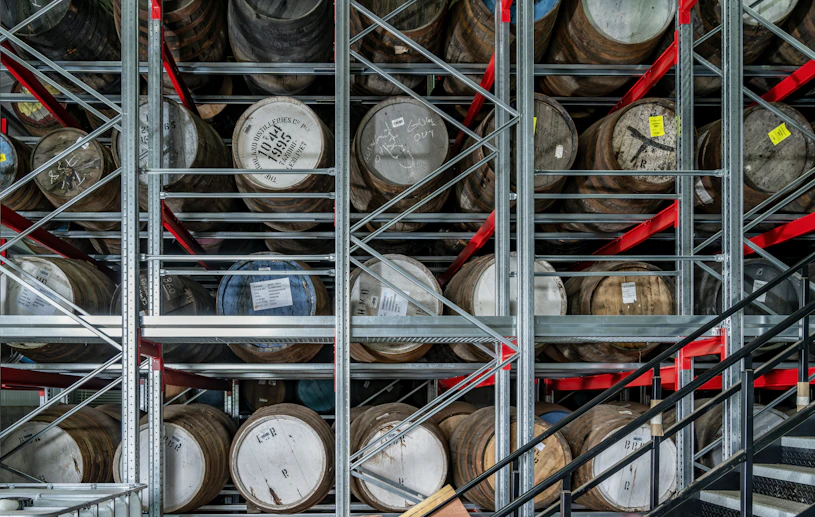
Scotch Whisky Investments manages casks from its own bonded warehouses in Glenrothes, Scotland, where around 3,000 casks are currently maturing. Every cask is given a unique tag and is continuously tracked via the digital cask-management system Vapour: from alcohol level and evaporation to maturation profile. Samples are assessed on colour, aroma and flavour and kept in sample libraries in both Scotland and the Netherlands.
Scotch Whisky Investments operates under AFM licence. The investor remains the legal owner of the cask at all times; SWI organises the specialist work and applies a transparent, fixed management fee with no surprises afterwards.
Starting responsibly with investing in casks
First decide what role whisky should play in your portfolio and choose a suitable horizon. Invest only capital you can do without for the entire term, and keep it to a limited part of your freely investable assets. Make sure provenance and ownership are fully documented, and always begin your checklist with the delivery order. Anyone who would rather hand over the whole process can have the selection, management, storage and exit organised, and remains the owner throughout.
This information is general in nature and does not constitute personal financial advice. Investing carries risks, including value fluctuations and limited liquidity. Past performance is no guarantee of future results.
Frequently asked questions
How long should I hold a whisky cask?
Investing in casks is a long-term strategy. A horizon of at least ten years is realistic, with twenty to thirty years as the ideal for maximum maturation and scarcity. Selling before then can limit the potential.
What is the angels' share?
The angels' share is the portion of whisky that evaporates during maturation, on average around two to three percent per year. The volume falls while flavour and character concentrate. The exact loss varies per cask and is measured at a regauge.
Do I really own my cask?
Yes, provided ownership is recorded at warehouse level. The delivery order, confirmed by the bonded warehouse, is the industry standard for demonstrating that ownership. Always request it before buying.
What costs come on top of the purchase price?
Expect annual storage, periodic regauges and insurance at market value. On bottling, excise, VAT, packaging and logistics are added. A transparent management partner makes this cost chain clear in advance.
Can a cask be sold quickly?
No. A cask is an illiquid asset; an orderly sale can take months. Selling in bond is usually the most cost-efficient route. Plan your exit from the start.
Can a cask also fall in value?
Yes. The value can fall below the purchase price. Maturation can turn out unfavourably, the market can move, and there is no guaranteed return. Professional management limits risks but does not remove them.
Read more
Related articles
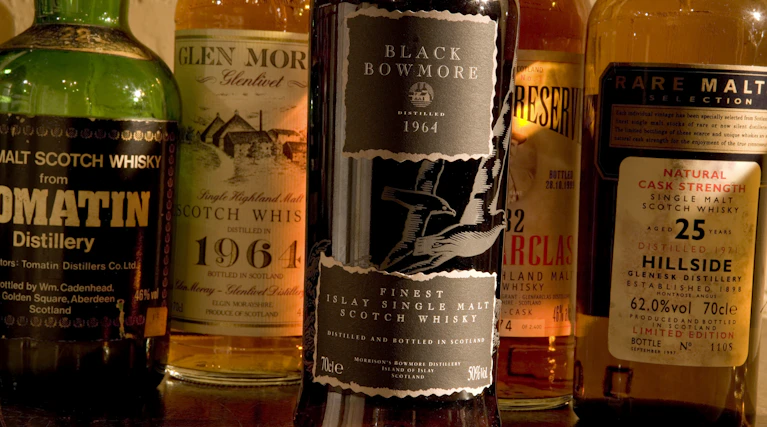
Investing in whisky bottles: rare bottles as a separate asset class
Investing in whisky bottles attracts a growing number of investors looking for diversification in a tangible, internationally tradable object. A bottle of whisky is a finished product: at the moment of bottling its character is fixed. The spirit does not mature any further and will look the same in ten or fifty years, provided it is stored correctly.
Read article
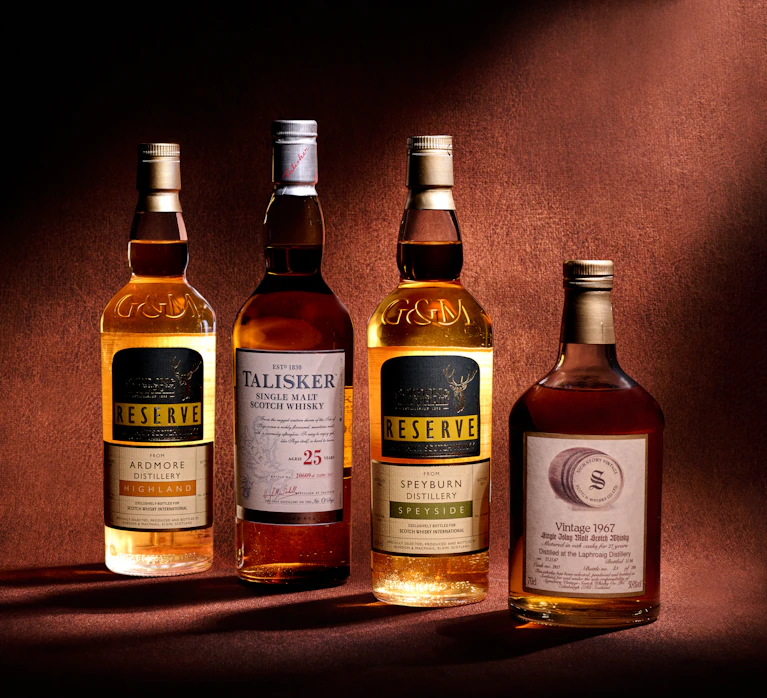
If you are considering investing in whisky, you are in the right place. On this page we explain what investing in rare Scotch single malt whisky involves, why scarcity and maturation are at the core of value development, and what you can expect in terms of return, risk and time horizon.
Read article
Whisky ETF: does it exist and what are the alternatives?
There is no whisky ETF or index fund that invests directly in physical whisky. Discover how the whisky market works and how you can invest in whisky.
Read article
Ready to start investing in whisky?
Schedule a no-obligation call with one of our whisky experts.