
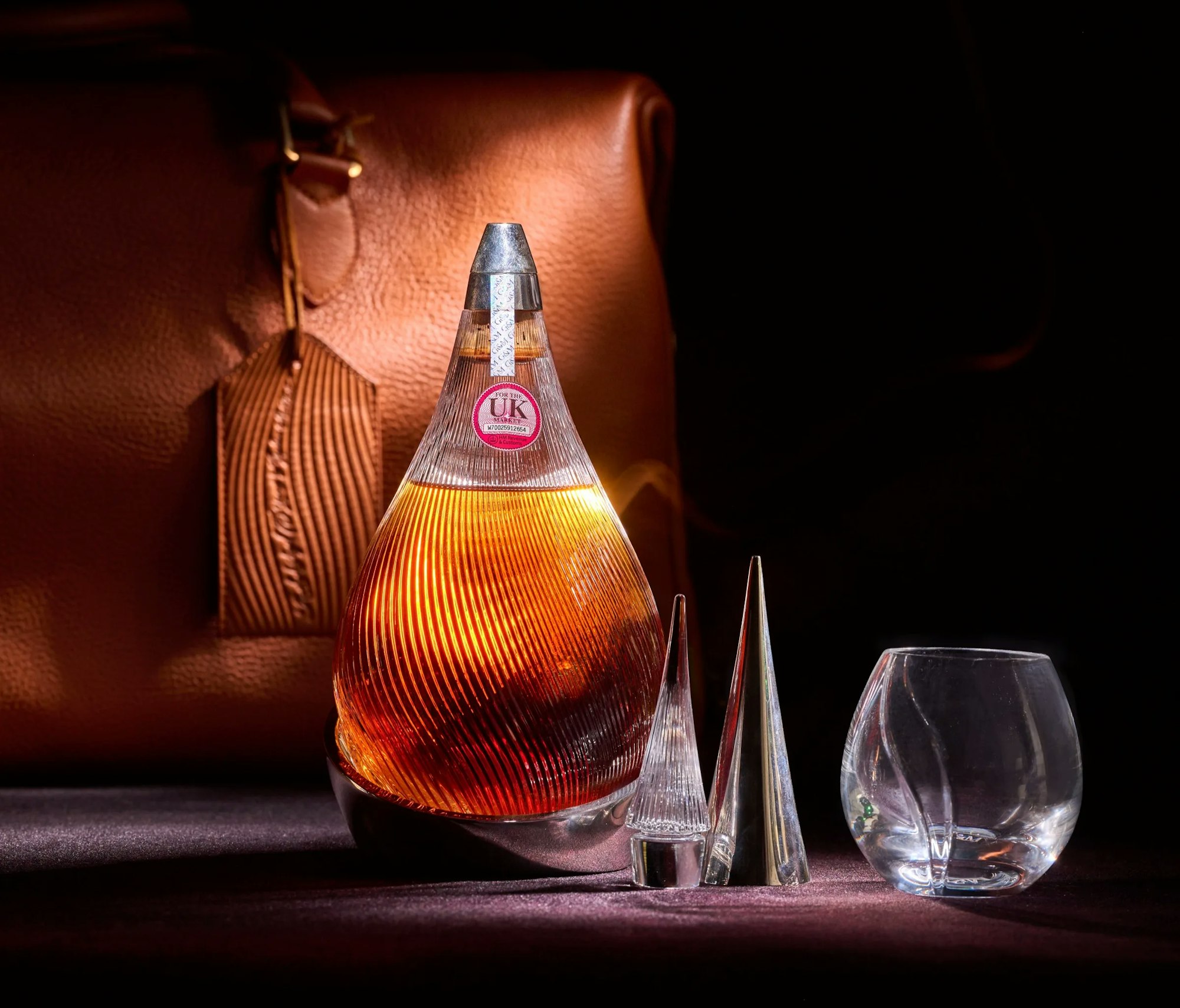
Beyond the cask.
A bottle is a finished product. Character is fixed at bottling, the market price is readable, and scarcity only ever moves one way, because every bottle opened is gone.
Scarcity, condition and demand
Eight factors decide what a bottle is worth, and all eight are judged before one enters a portfolio.
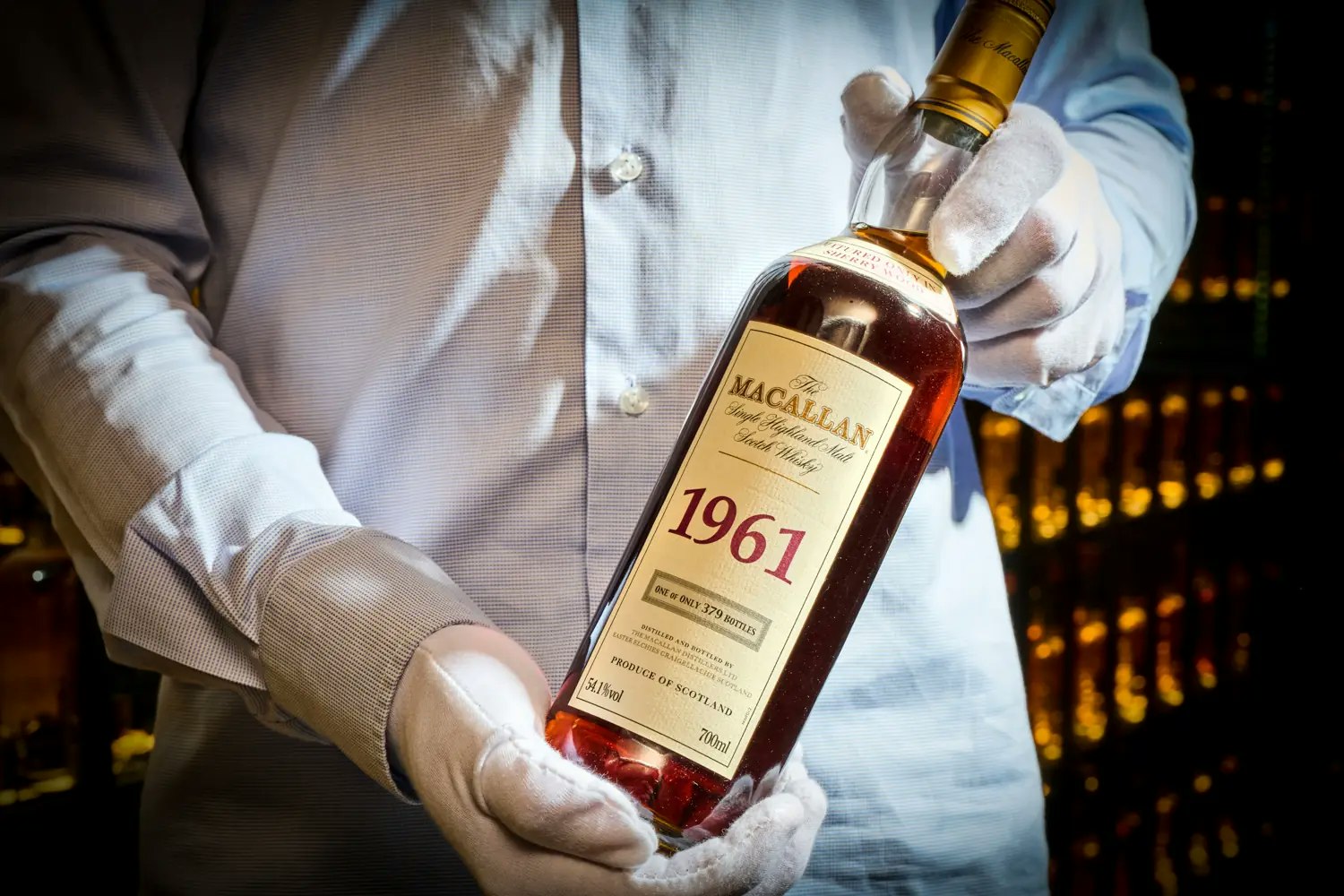
Reputation carries the price.
Iconic names sit structurally above less known producers. Where a distillery positions itself in the premium segment is what a buyer is ultimately paying for.
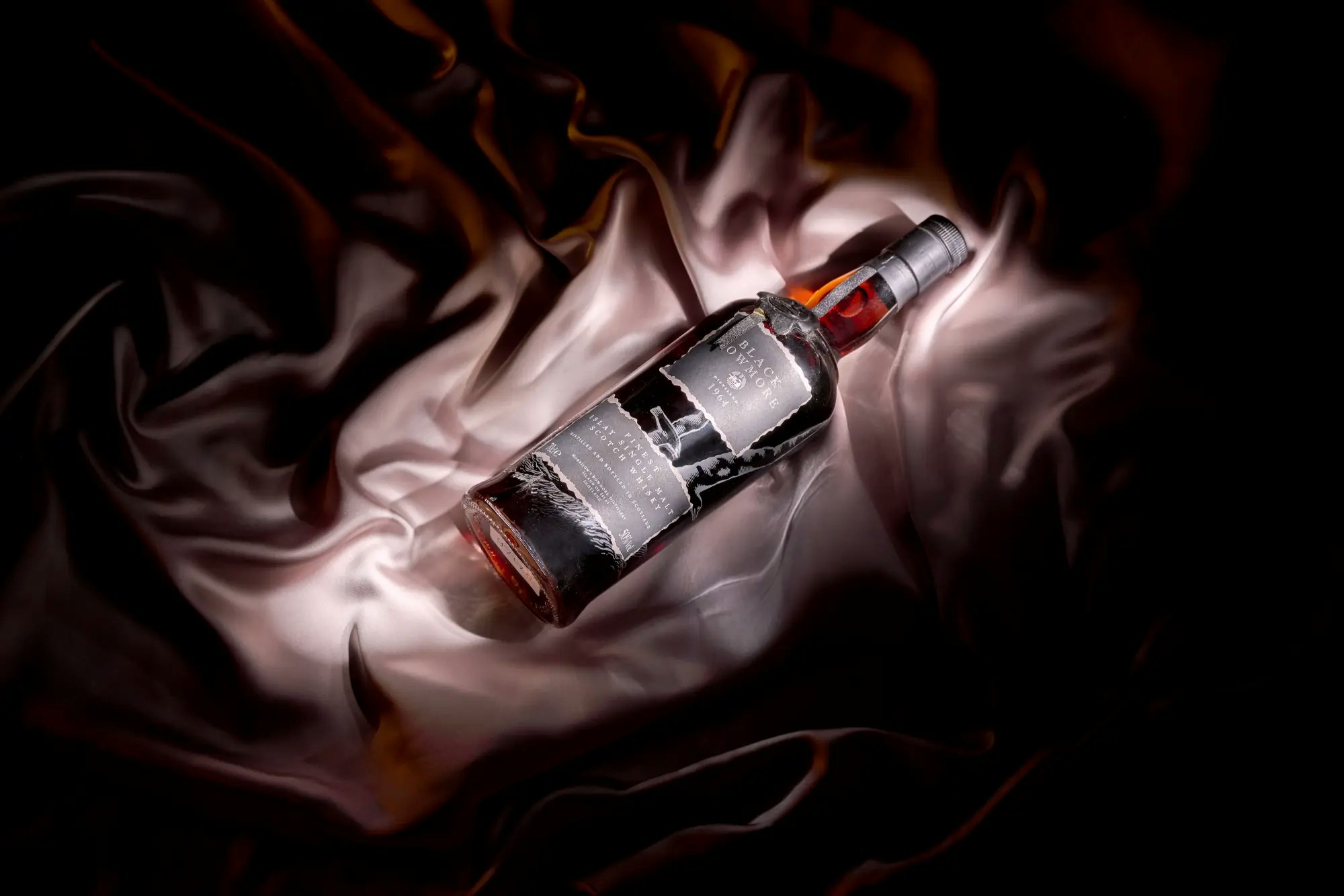
Limited releases, single cask bottlings and editions.
Once a bottle is filled it cannot be reproduced. A release of a few hundred bottles is a fixed supply from the day it leaves the distillery, and consumption only ever reduces it.
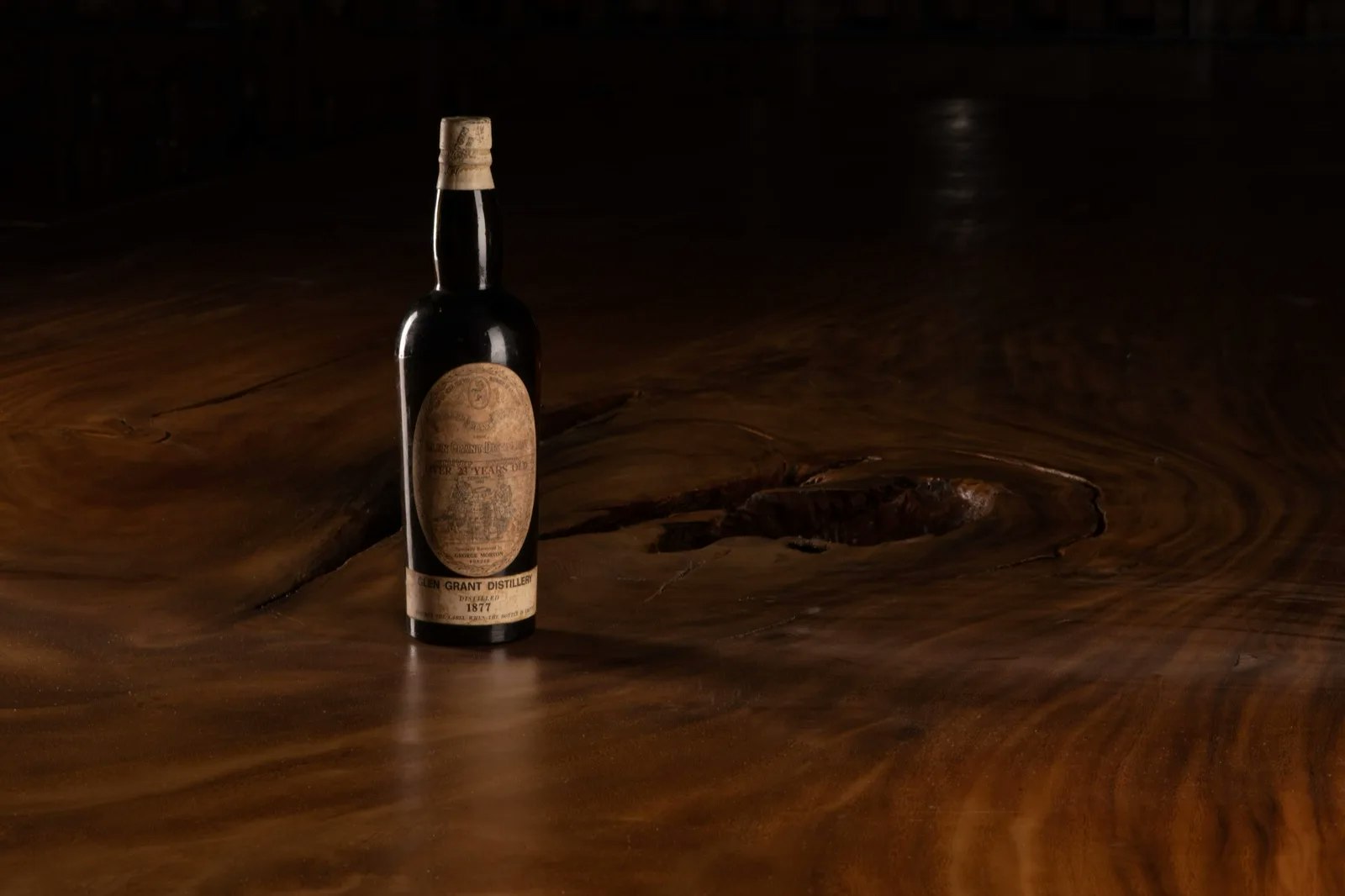
Distillation year and stated age at bottling.
The longer a whisky matured before bottling, the smaller the surviving supply of that vintage. Age is the clearest and most consistent price signal in the category.
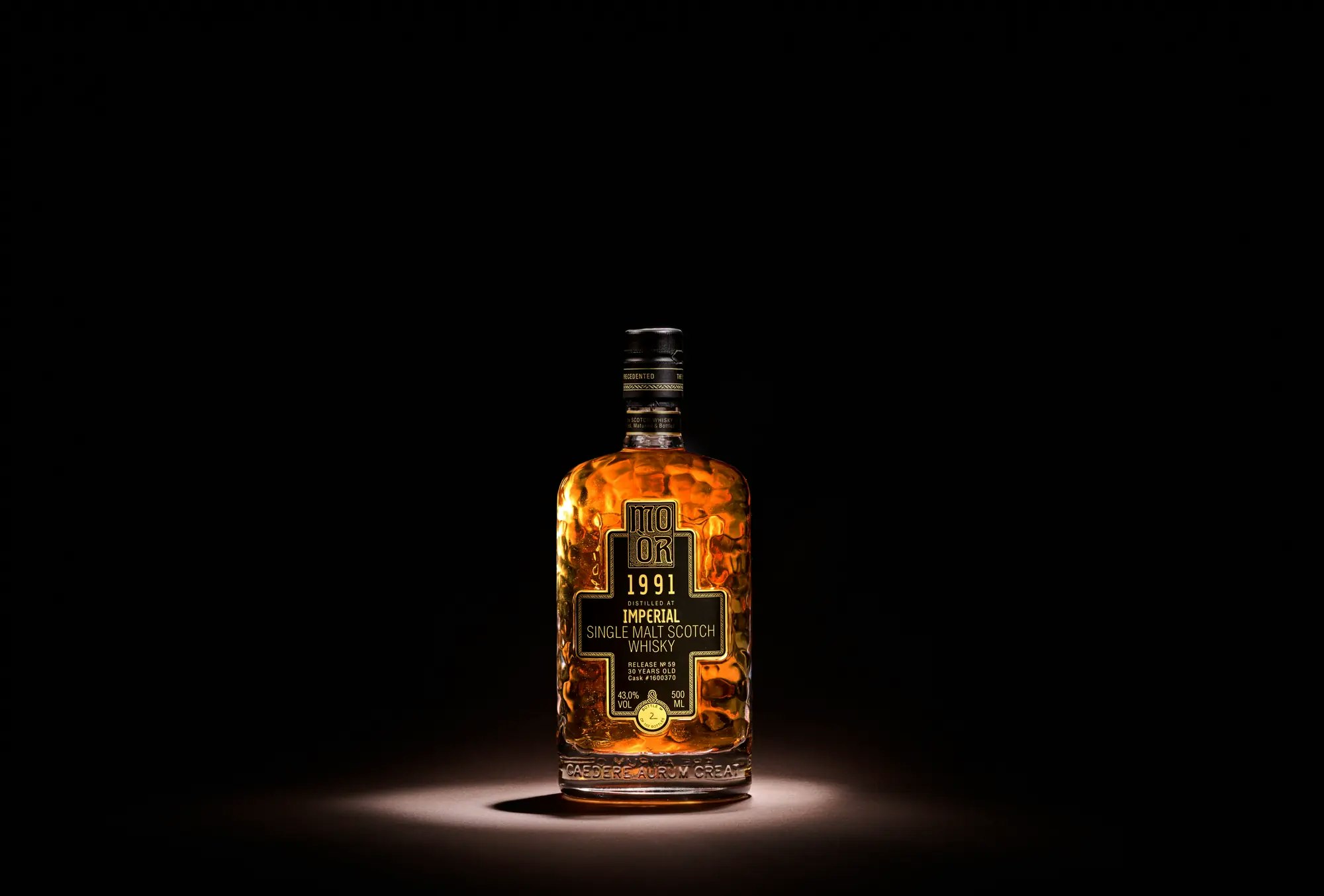
Production has stopped, so supply can only shrink.
When a distillery falls silent, no new stock will ever follow. What remains in bottle is the whole of it, which is why closed names carry a premium that is structural rather than seasonal.
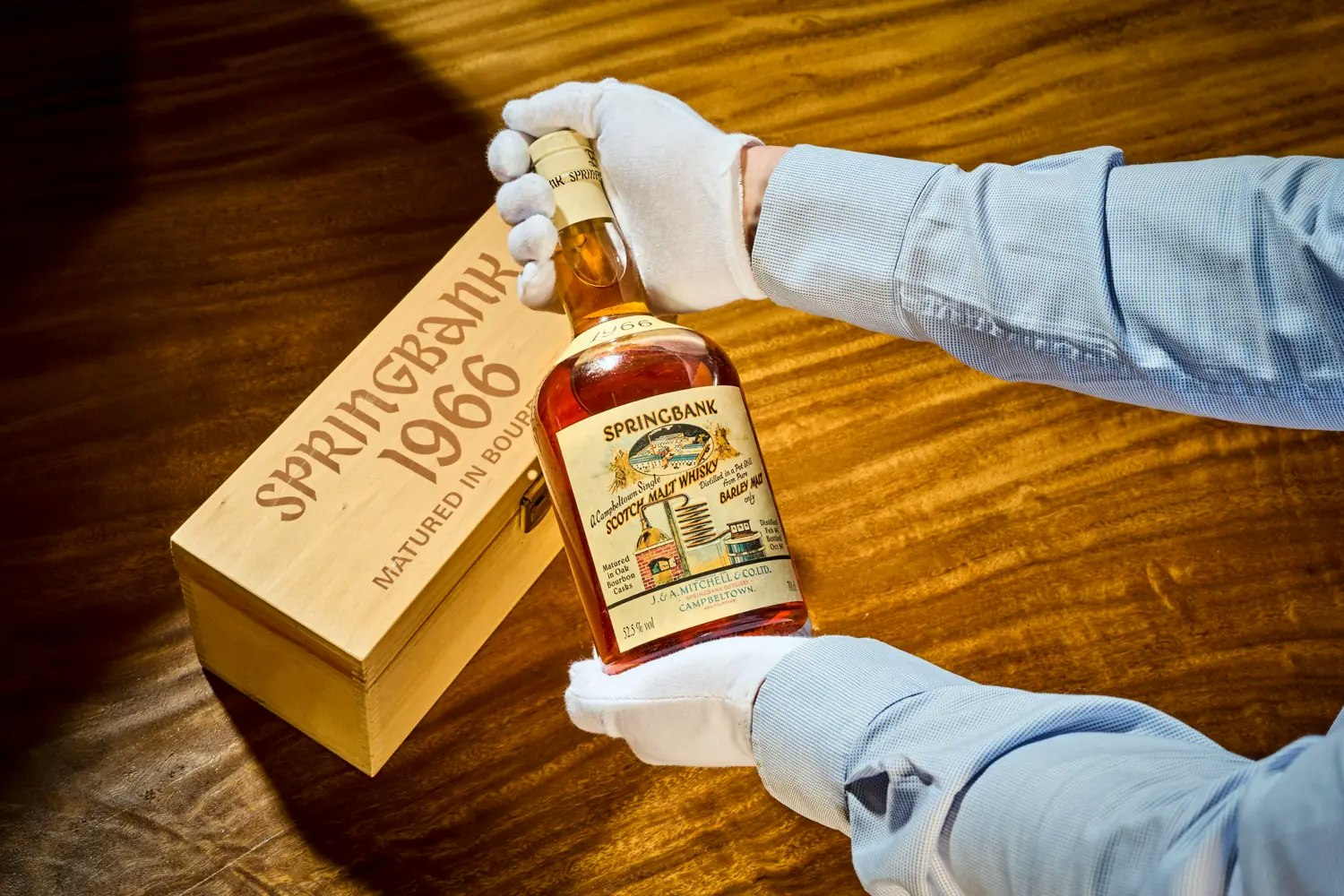
Official or independent bottling.
An official distillery bottling and a respected independent bottling of the same liquid are two different assets in the market. Who put the whisky in the bottle is part of what collectors pay for.
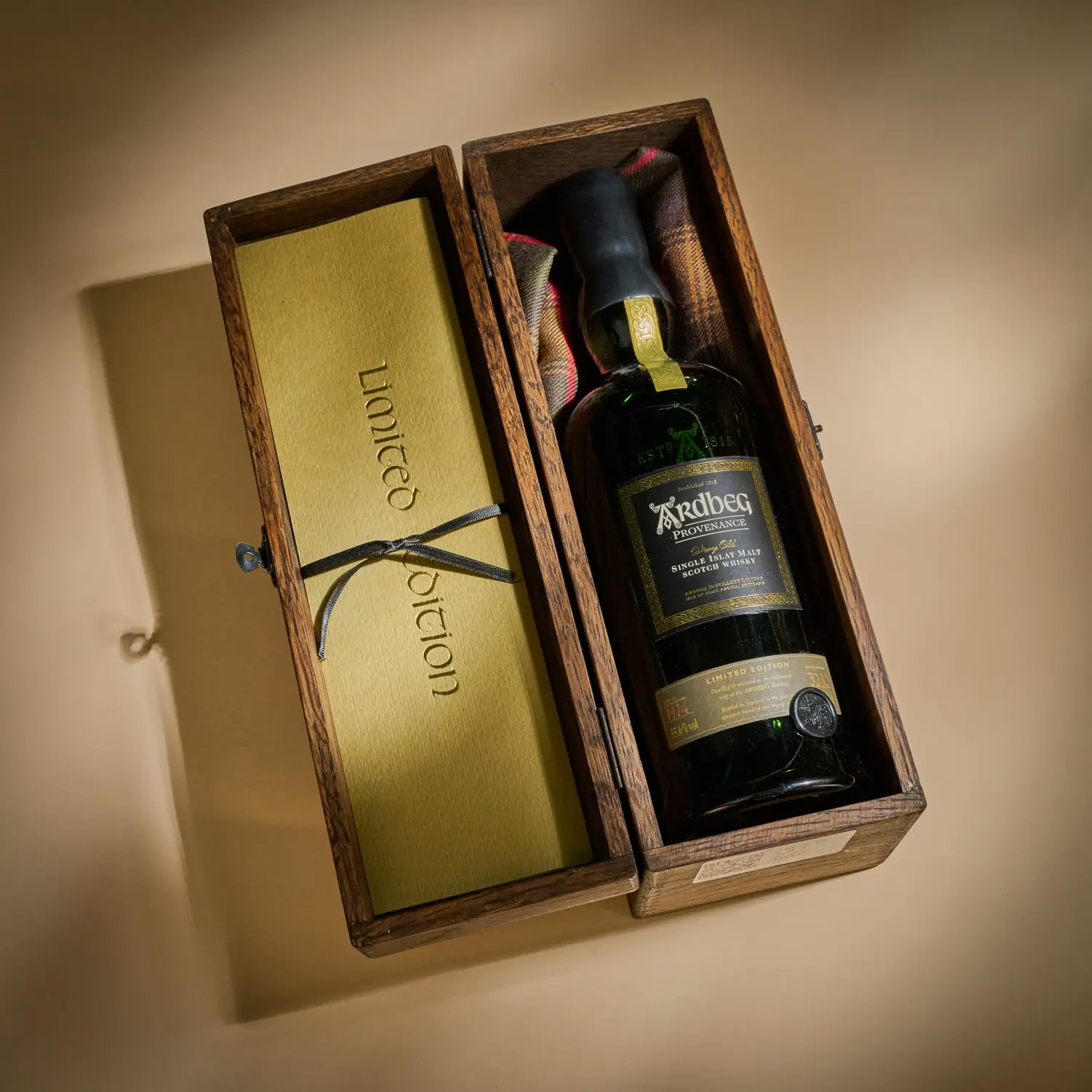
Seal integrity, fill level and label.
A sound seal and a full fill level are what separate two otherwise identical bottles at auction. Condition is why storage is an investment decision.
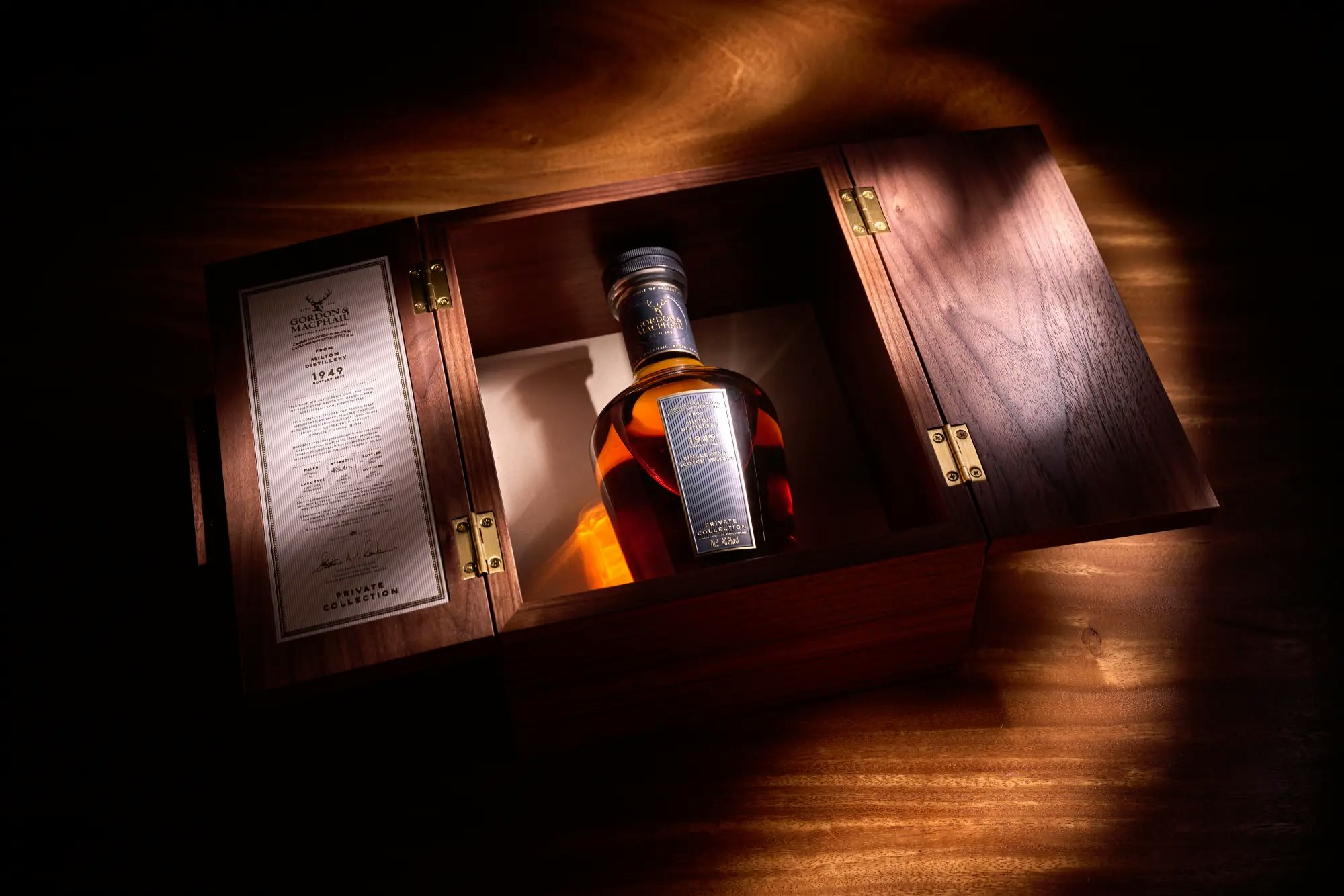
Proof of origin, original box and packaging.
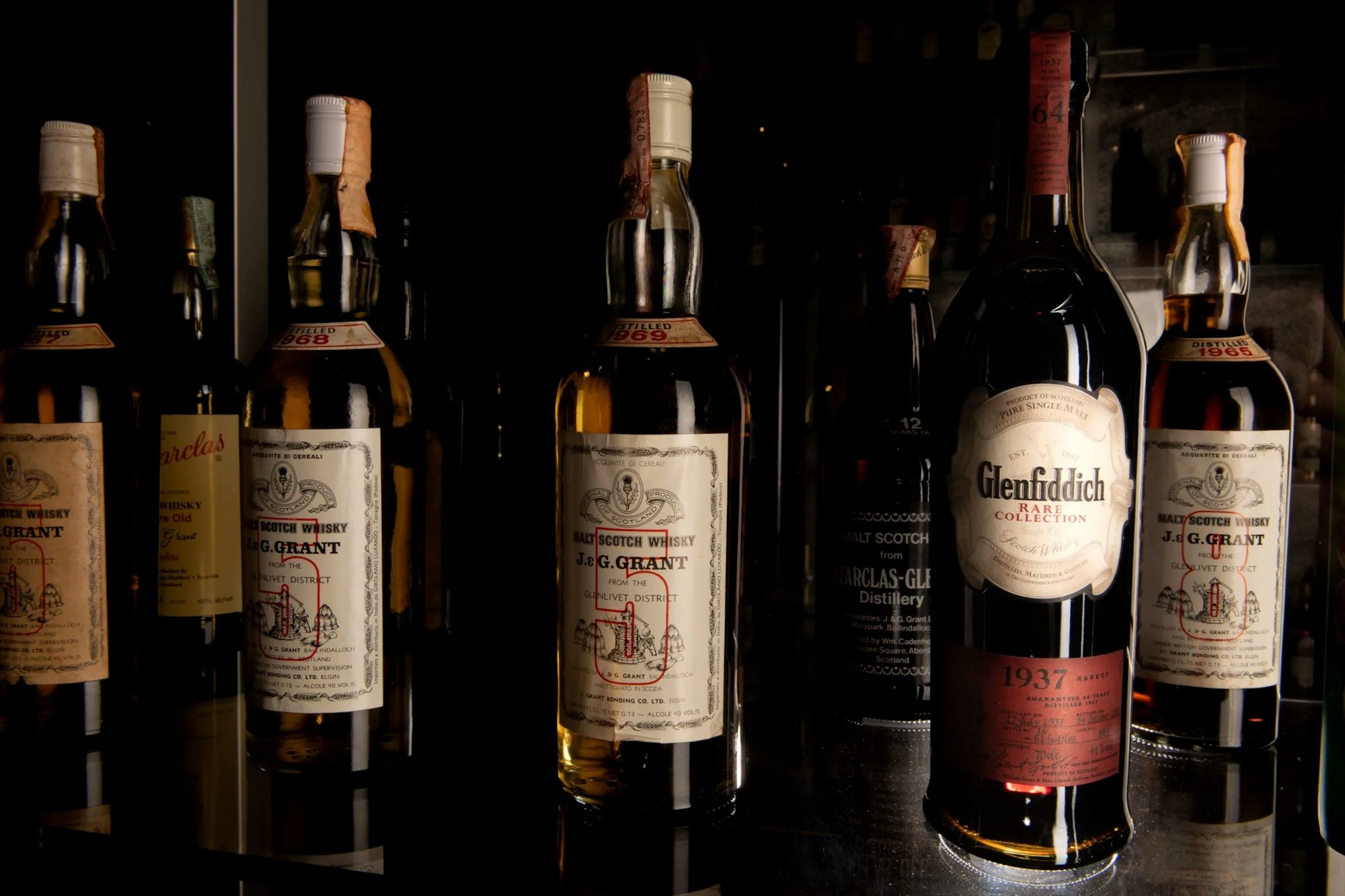
The same bottle with its original box, certificate and documentation consistently makes more than one without. Every bottle we acquire is verified for authenticity and carries full ownership records.
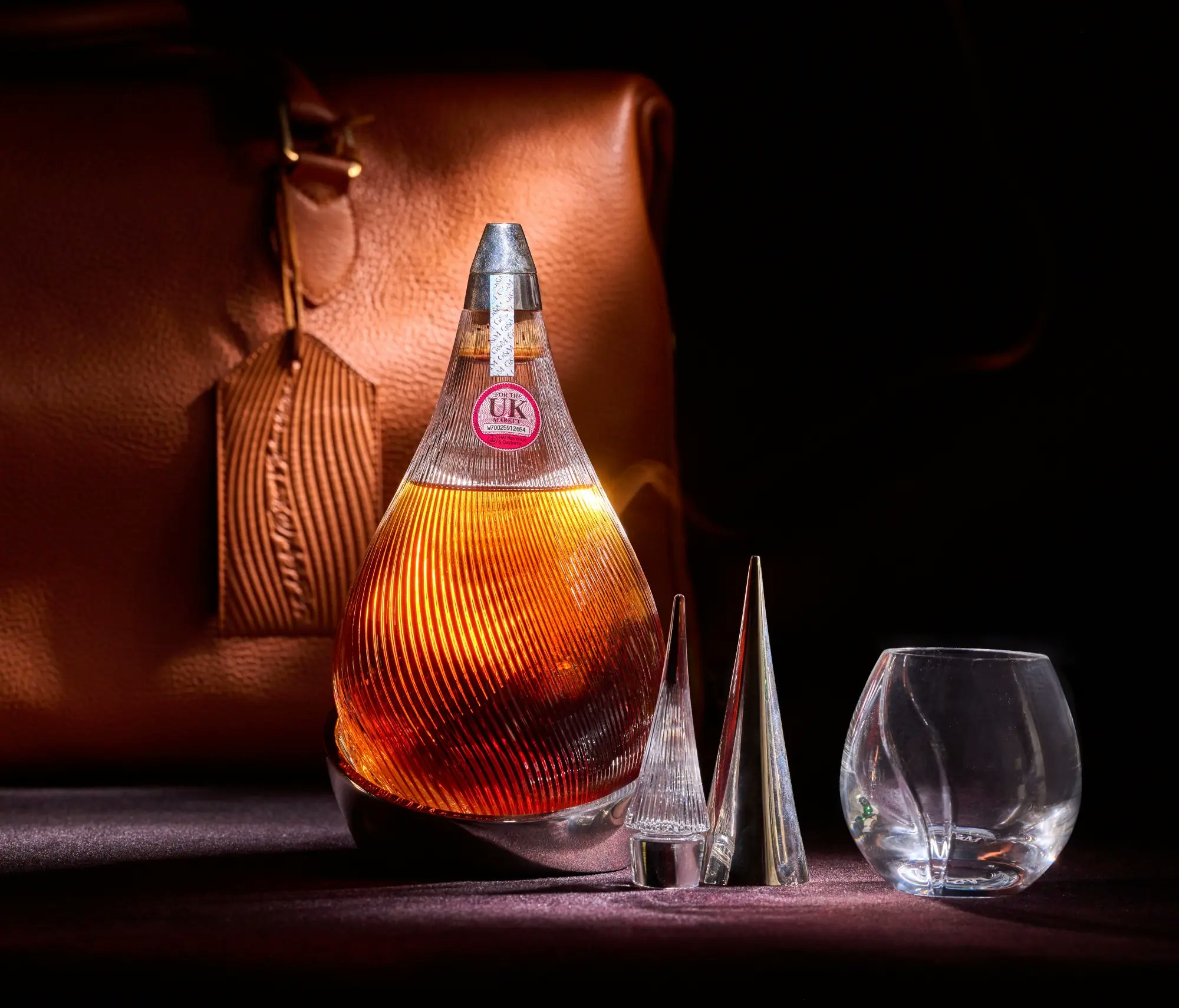
The depth of the secondary market.
Whisky is made to be drunk, even at the top of the market. Every bottle opened leaves the available supply permanently, which is a mechanism no other collectible shares in quite the same way.
How bottles complement casks.
Rare bottles behave differently from casks. Combining the two can reduce dependence on a single mechanism, and gives a portfolio both long-term development and immediate market value.
Casks
A living product in development. Character and value evolve in the wood, over decades, with maturation as part of the return.
Bottles
A finished product. Character is fixed at bottling, value is readable against auction data, and the position can in principle be sold at any time.
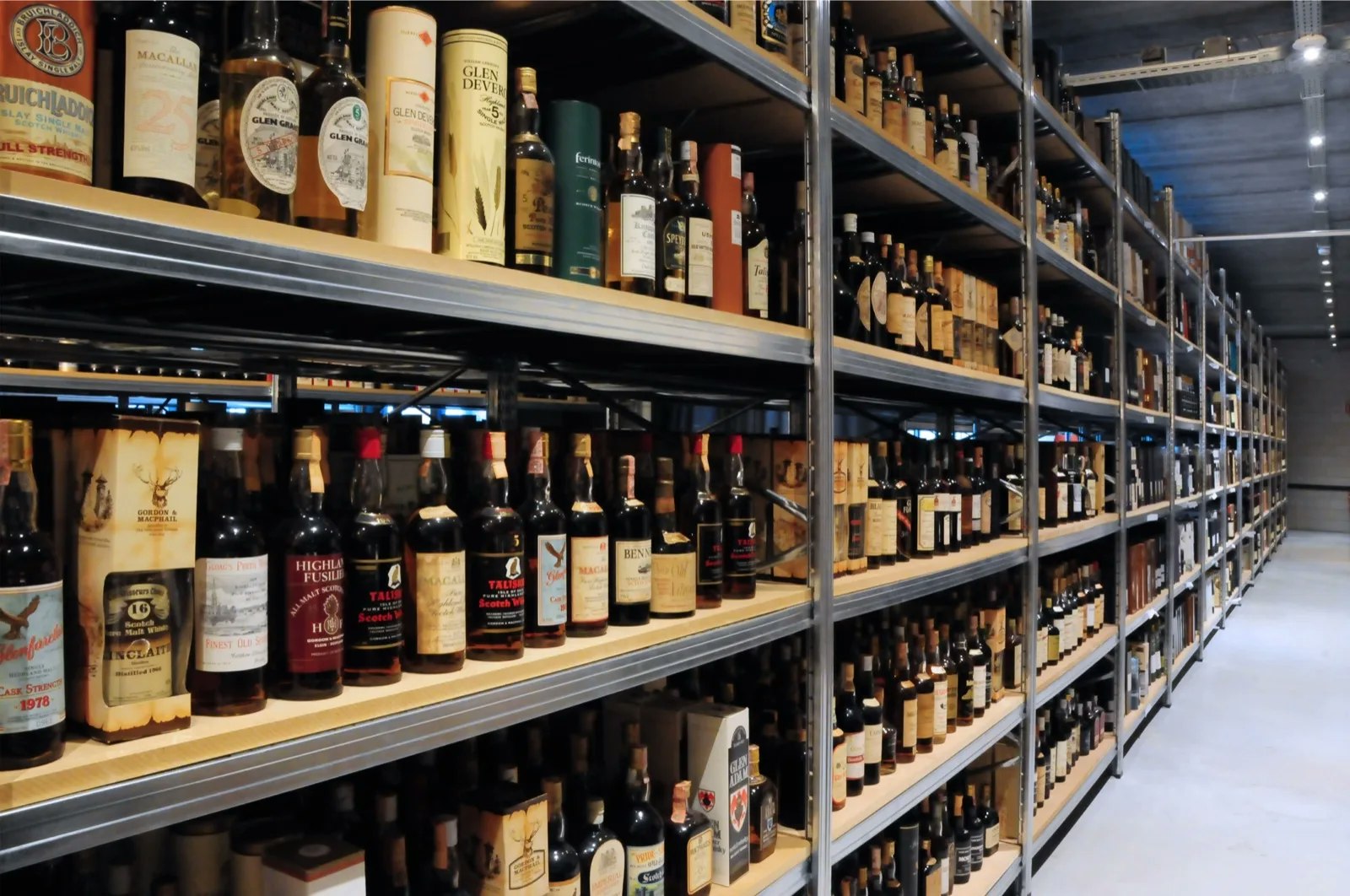
Continue with whisky investing
From the other asset to how ownership, returns and risks work in practice.
Portfolio Diversification
Why casks and bottles behave differently, and what that does for a portfolio.
→
How It Works
From first conversation to eventual exit, step by step.
→
Ownership & Storage
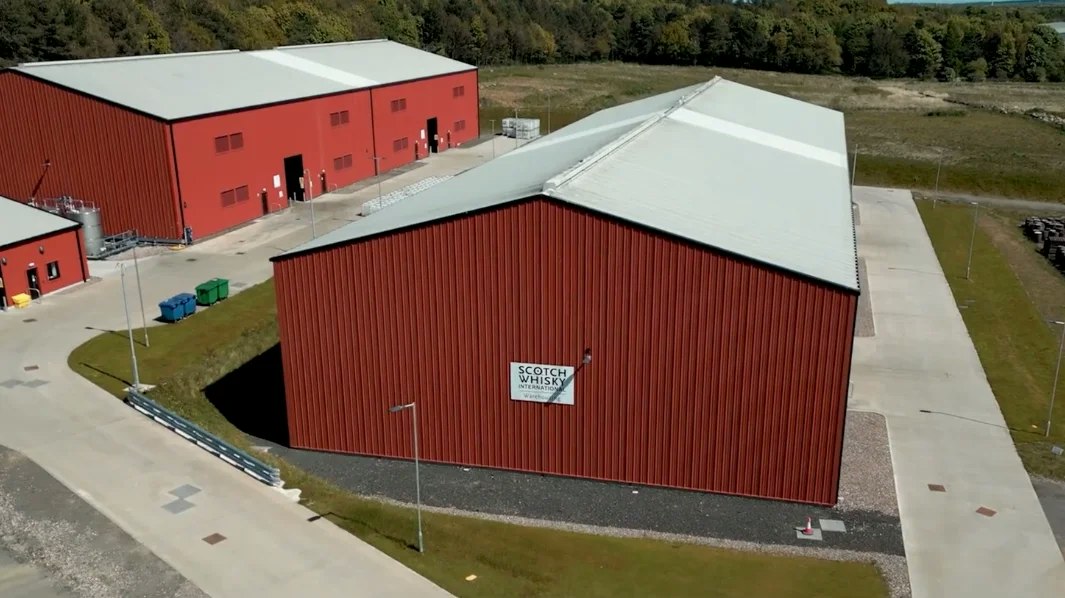
What you own, in whose name, and how it is held in Scotland.
→
Value & Returns
How value is built up over time, and how we report on it.
→
Risks
Illiquidity, valuation, storage and market risk, set out in plain terms.
→
Why Scotch Whisky
Scotch whisky combines production constraints, long maturation and durable global demand: the traits investors look for in a physical asset.
→
Casks or bottles: which suits you?
Speak with Sidney Shoshan about the differences between investing in casks and in rare bottles.