
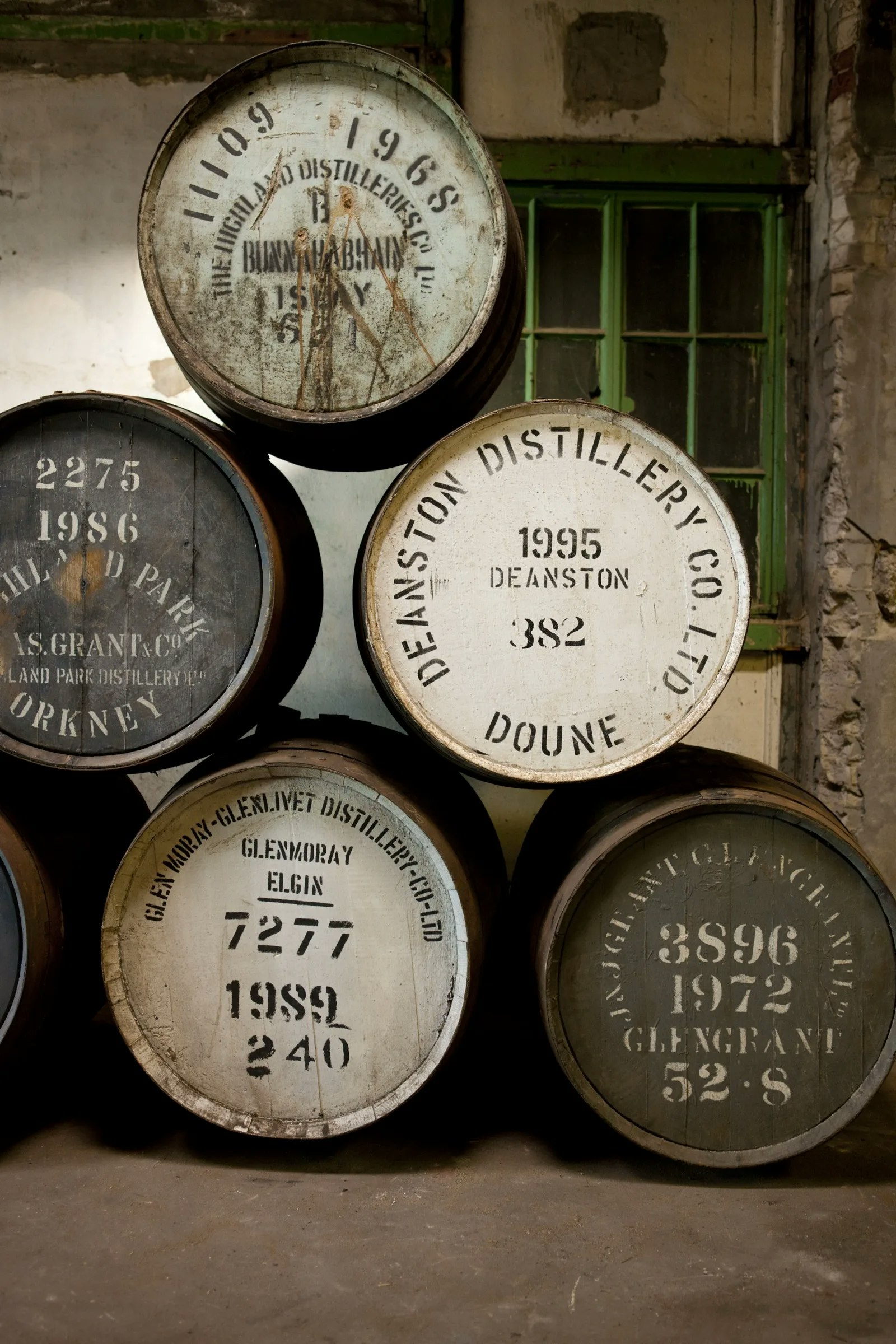
A living asset shaped by time.
Casks form the maturing core of the portfolios we manage: selected by us, held in our own warehouse in Scotland, and managed for the full maturation period.
What a whisky cask actually is
A cask is not a paper position. It keeps working, and keeps needing work, for decades.
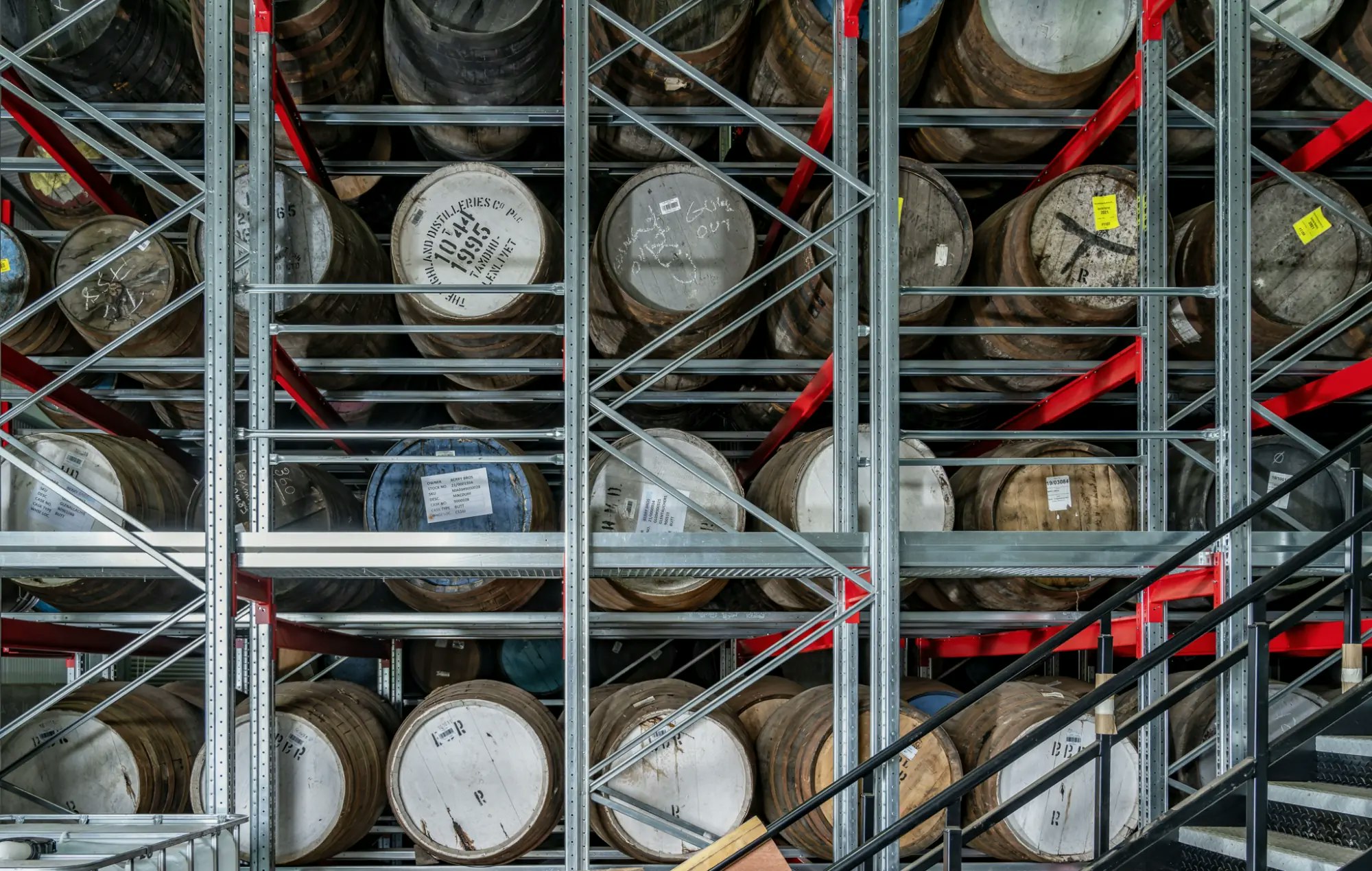
Maturing spirit, in oak, in your name.
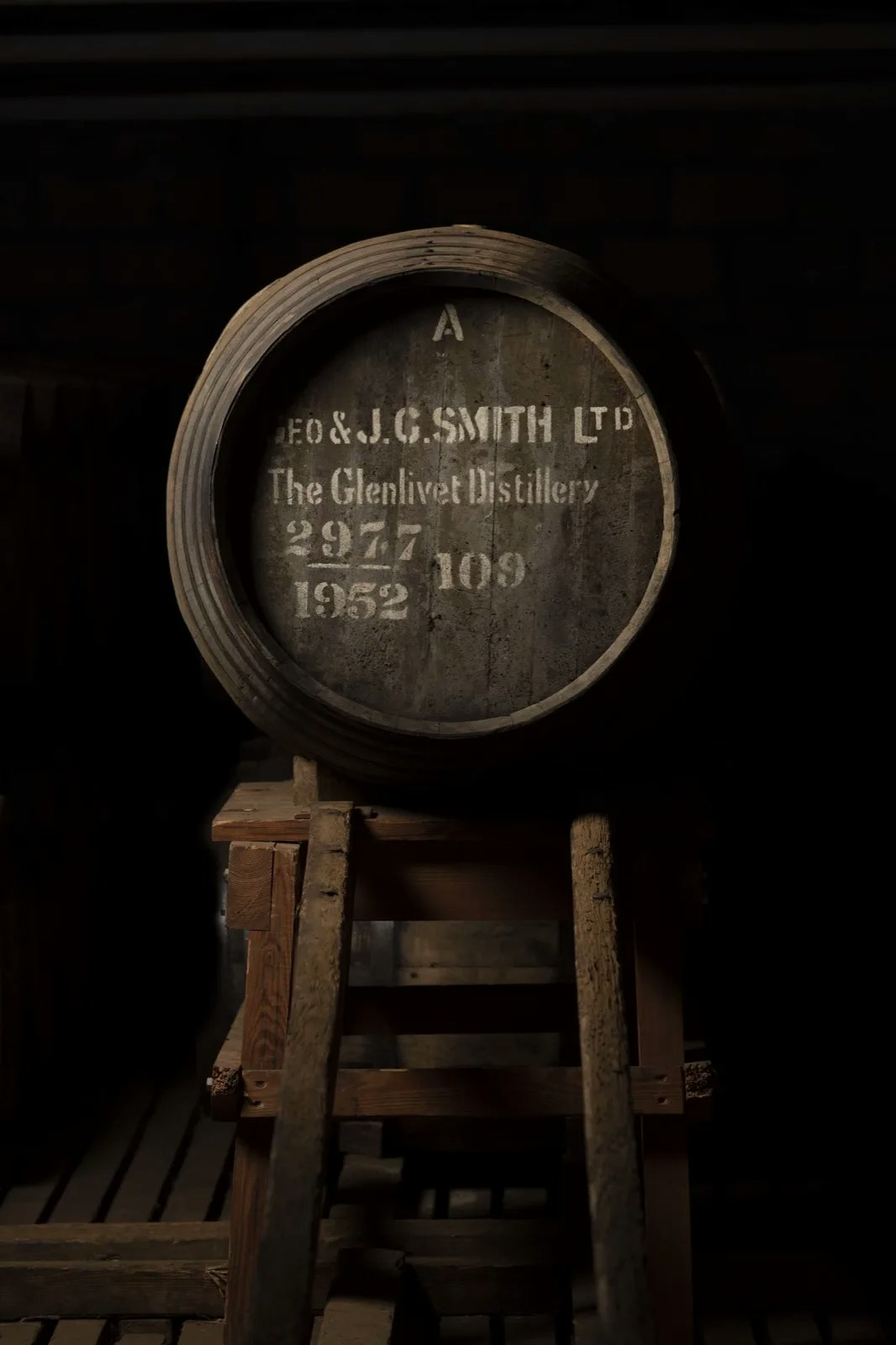
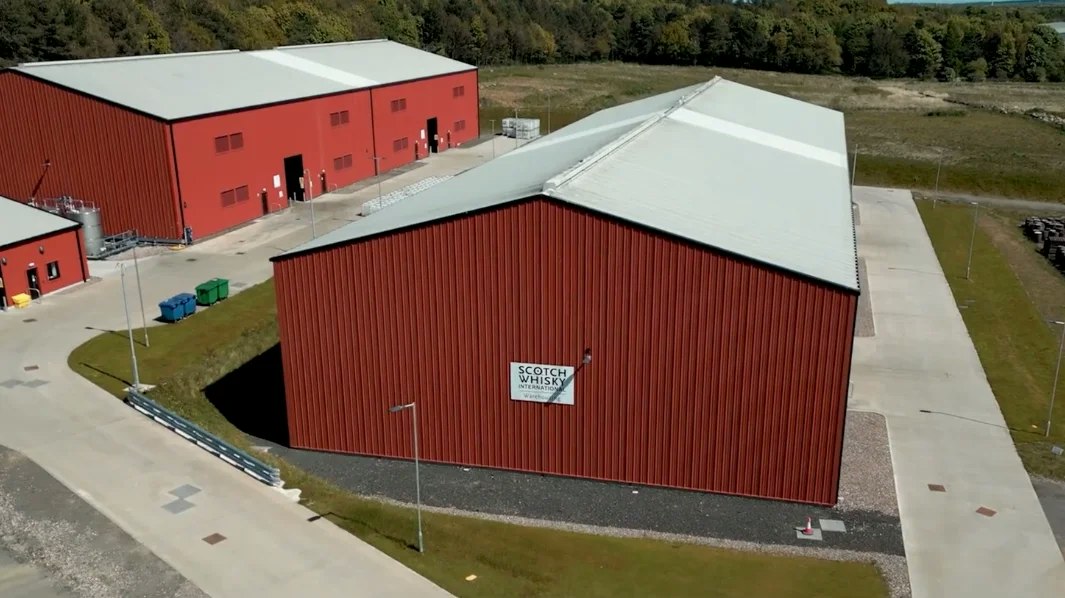
A specific cask from a specific distillery, filled in a specific year. Ownership is legal and economic, recorded in a delivery order from our own HMRC registered bonded warehouse in Glenrothes, with room for more than 25,000 casks.
That puts your name on the cask at warehouse level, not on an internal certificate at company level.
60% to 80% of character comes from the cask.
The oak adds aroma compounds, the charred layer filters others out, and the porous wood lets the whisky oxidise slowly. Which means the choice and the handling of the cask weigh at least as heavily as the distillate that went into it.
We select casks for a thirty to forty year horizon, and re-rack into a newly selected cask when the maturation profile needs redirecting.
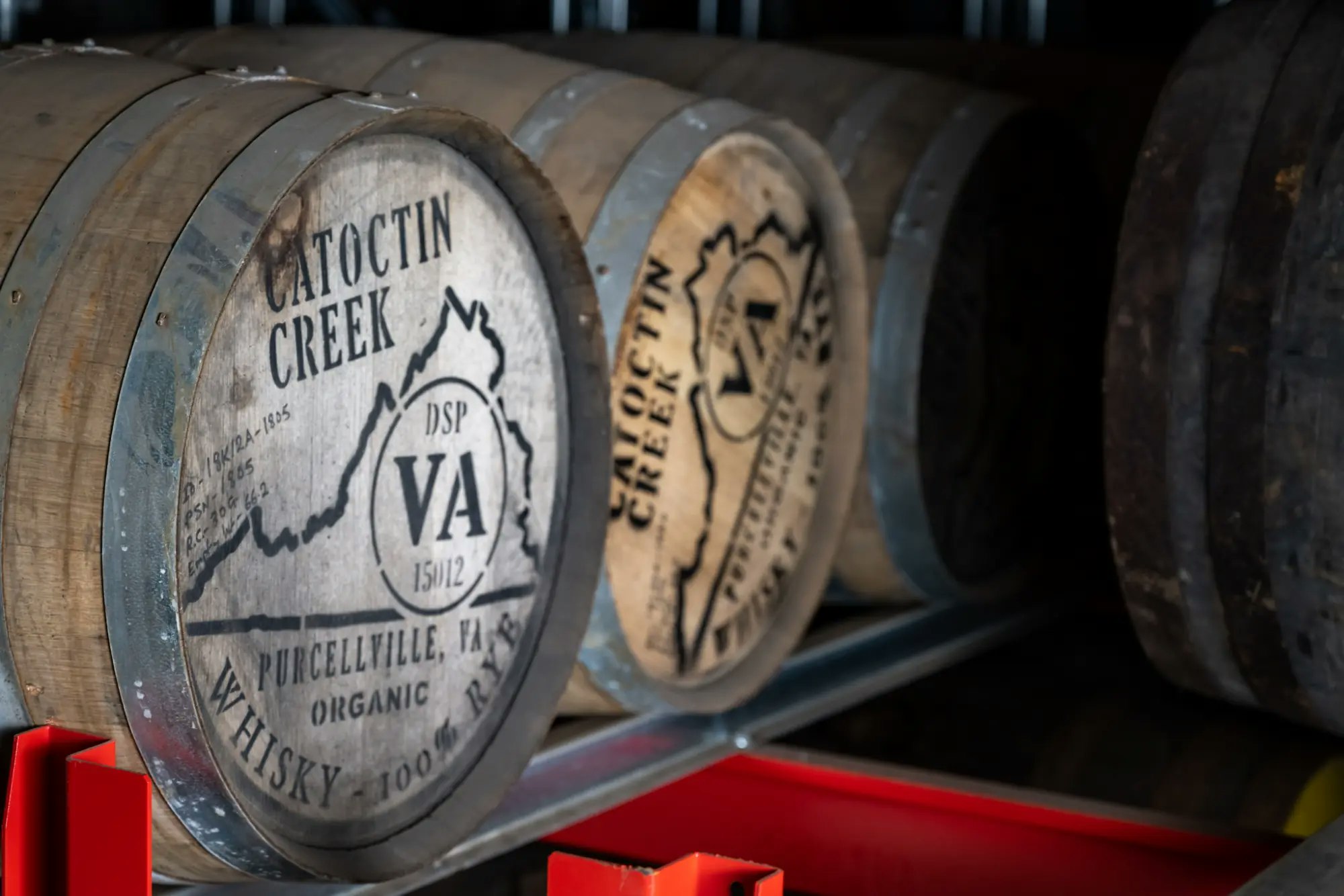
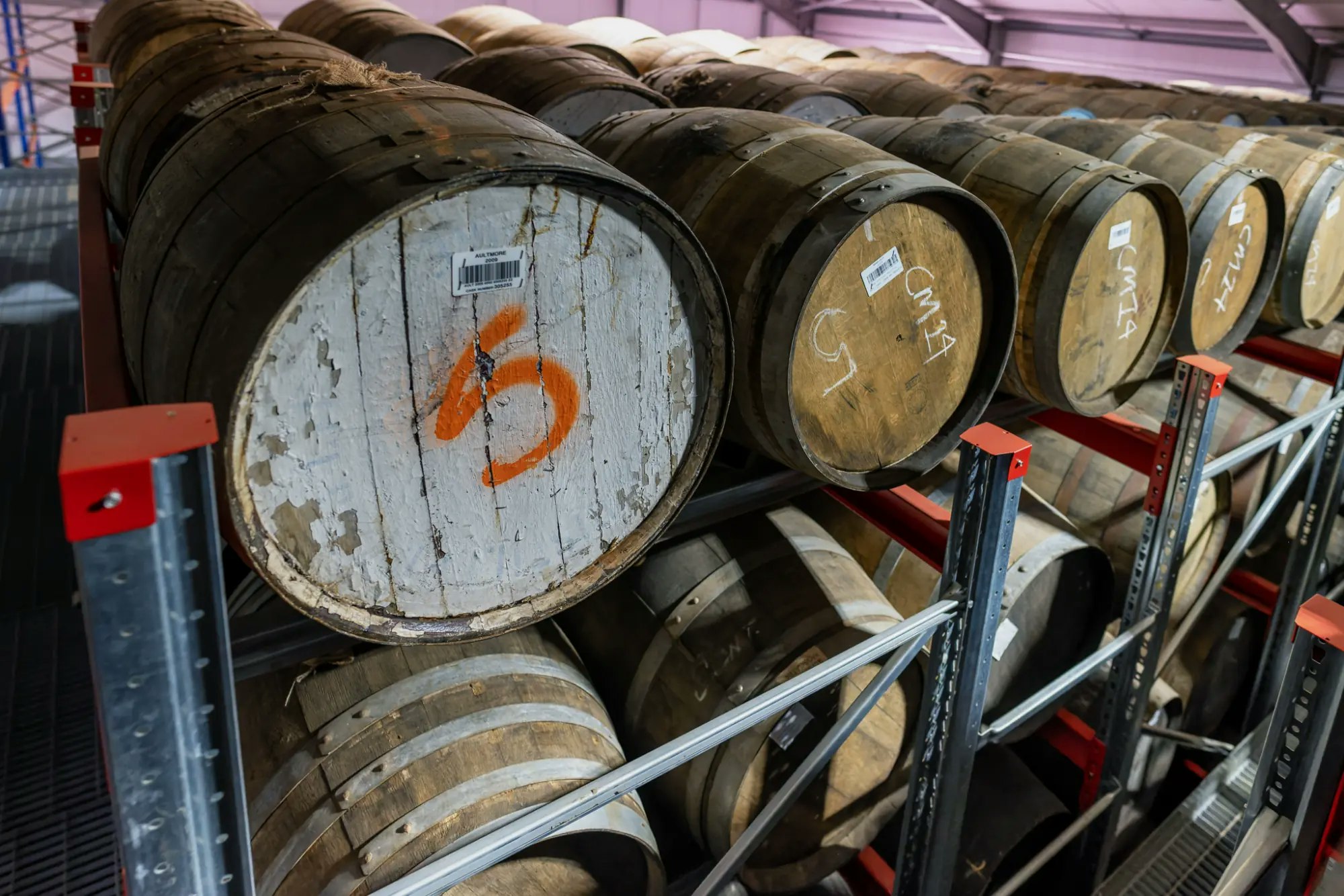
One to four per cent evaporates every year.
The angels' share takes volume and strength with it: less liquid, but rarer liquid. Below 40% ABV the contents are no longer whisky, so the numbers have to be watched rather than assumed.
Every cask of ours carries a unique tag and is measured each year in Vapour, our own cask management system, so evaporation is tracked from the start. Because we participate in the casks we manage, the agreed number of bottles per cask is guaranteed: a higher than expected loss to the angels is ours to absorb, not yours.
Time is decisive, but time alone is not enough.
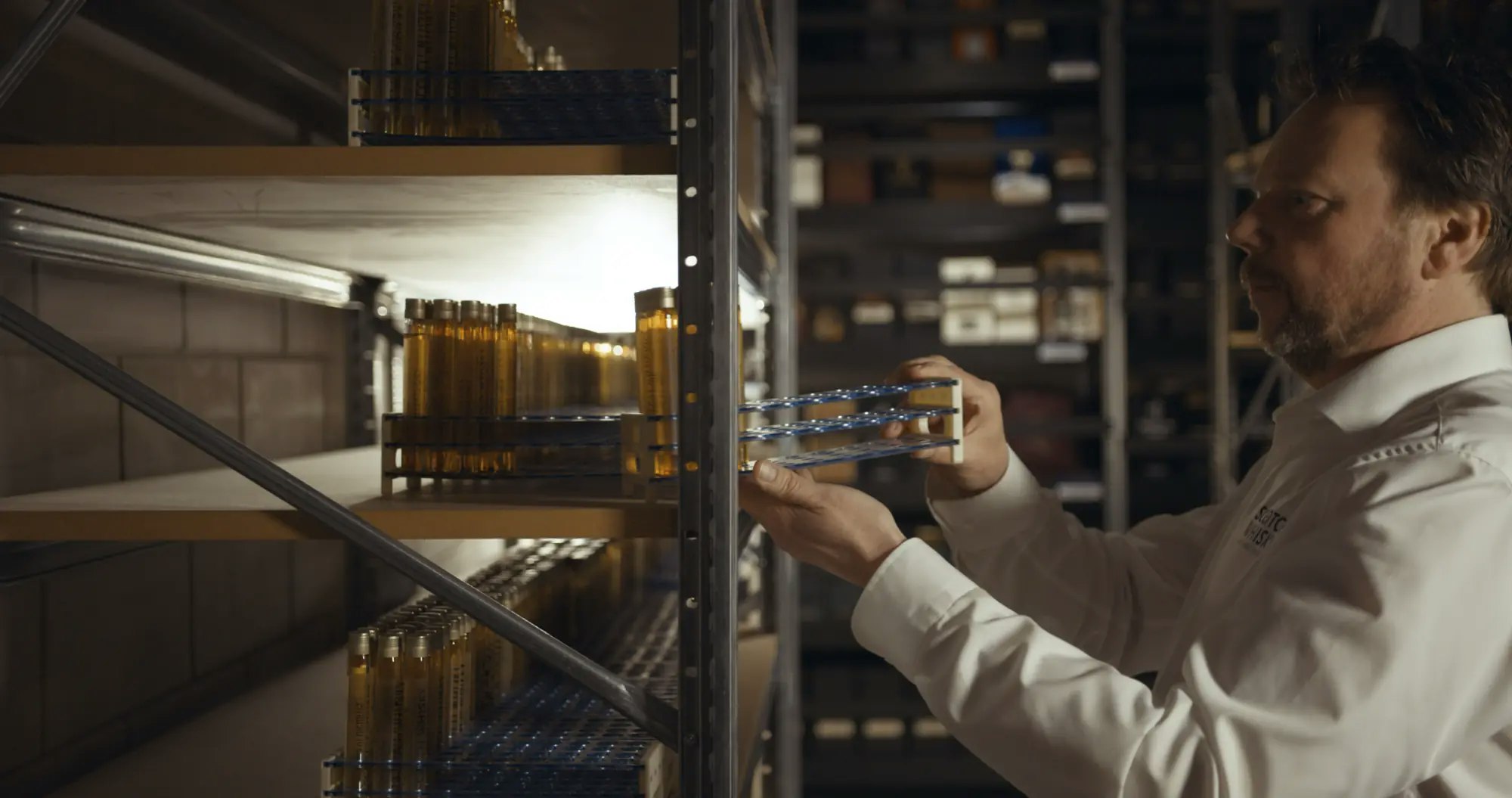
Our analysts draw samples throughout maturation, assess colour, aroma and flavour, and record each one in the cask file through to bottling. We stand behind the result: a minimum of 85 points on the standard quality scale, or we provide a comparable whisky of equal quality and value.
What decides what a cask is worth
Six drivers. Three are fixed the day we buy, three are earned in the decades after.
Distillery
How a distillery repositions itself between purchase and sale is the biggest swing factor at the top of the market, and the least predictable. We buy on the markers that historically precede premiumisation.
Age
Time in wood is the most reliable driver of value, and the only ingredient no capital can accelerate.
Scarcity
Around 88% of casks filled are bottled for blends before fifteen years. We take ours out of that cycle from the outset.
Cask type and history
Ex-bourbon is roughly 93% of Scotch cask imports, alongside sherry, port, wine and virgin oak. A first fill gives a dominant character, a refill cask acts neutrally and suits twenty years and beyond. We match the cask to the spirit and the horizon.
Cask size
Barrel 200 litres, hogshead 250, butt 500. Surface area sets the pace of maturation, so we choose size against the intended holding period.
Management
Volume, strength and wood interaction all shift over decades. Measured, sampled and re-racked when needed, a cask arrives healthy at the age where the market pays. Unmanaged, it drifts.
Value does not move in a straight line
For twelve to fifteen years a cask builds value slowly. Once the surviving stock thins out and the whisky enters the premium window between fifteen and twenty years, the curve steepens; from twenty-five years the market treats a single malt as investment grade. We hold to thirty or forty.
There is no jump at an anniversary year. The health of the cask decides the price, which is why we report on measurements and sample analyses rather than on projected annual returns.
The thin end of a very large market
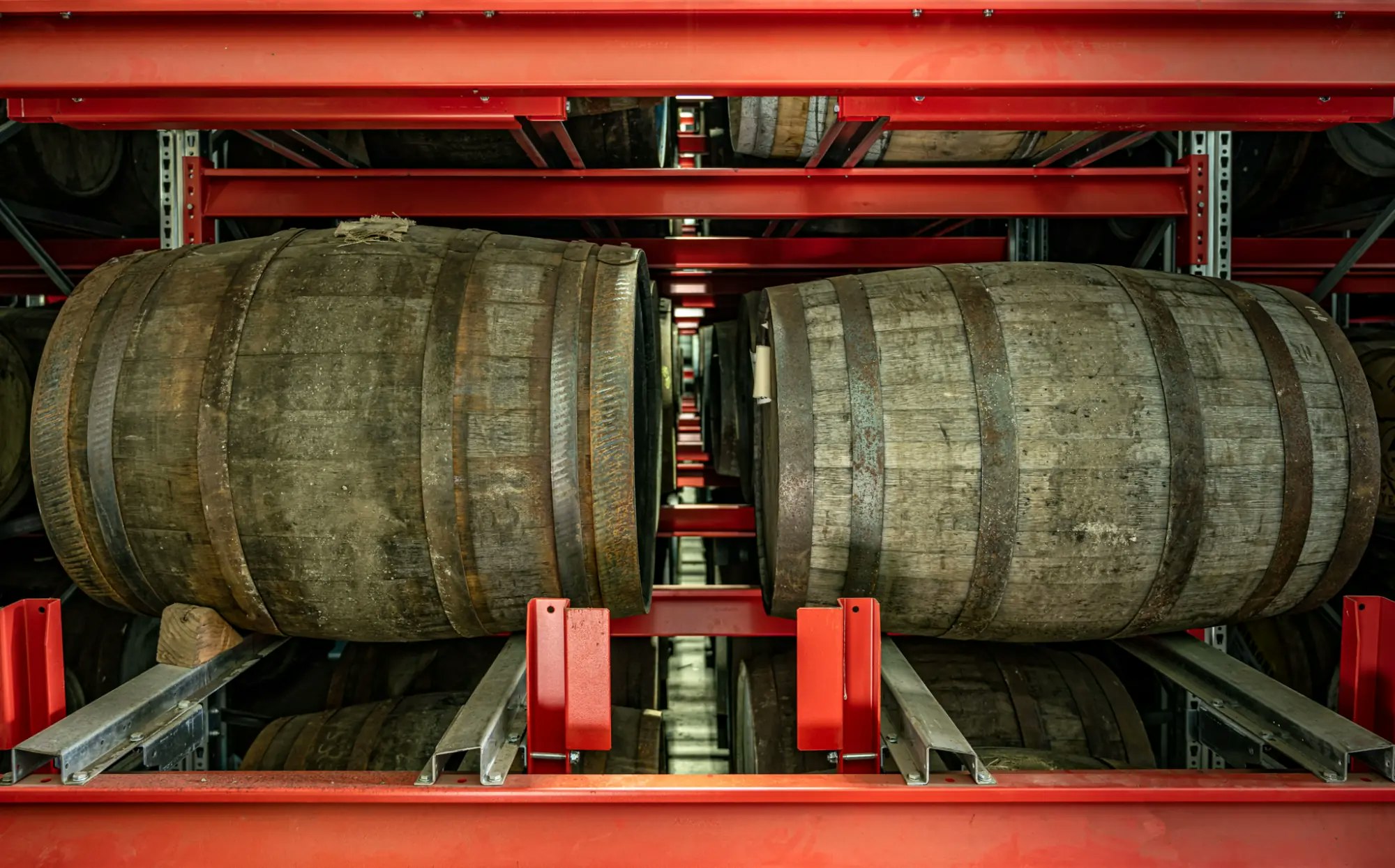
We buy for the top fraction of the market and hold for it, in our own warehouse in Glenrothes.
Casks maturing in Scotland
A number that suggests abundance. Most of it was never intended for the single malt market.
Goes into blended whisky
Bottled between three and twelve years. The volume backbone of the industry.
Is bottled as single malt
From one distillery, unblended, and priced as a premium product.
Is investment grade
Single malt matured for 25 years or more. This is the fraction we buy for.
A physical asset, held in your name
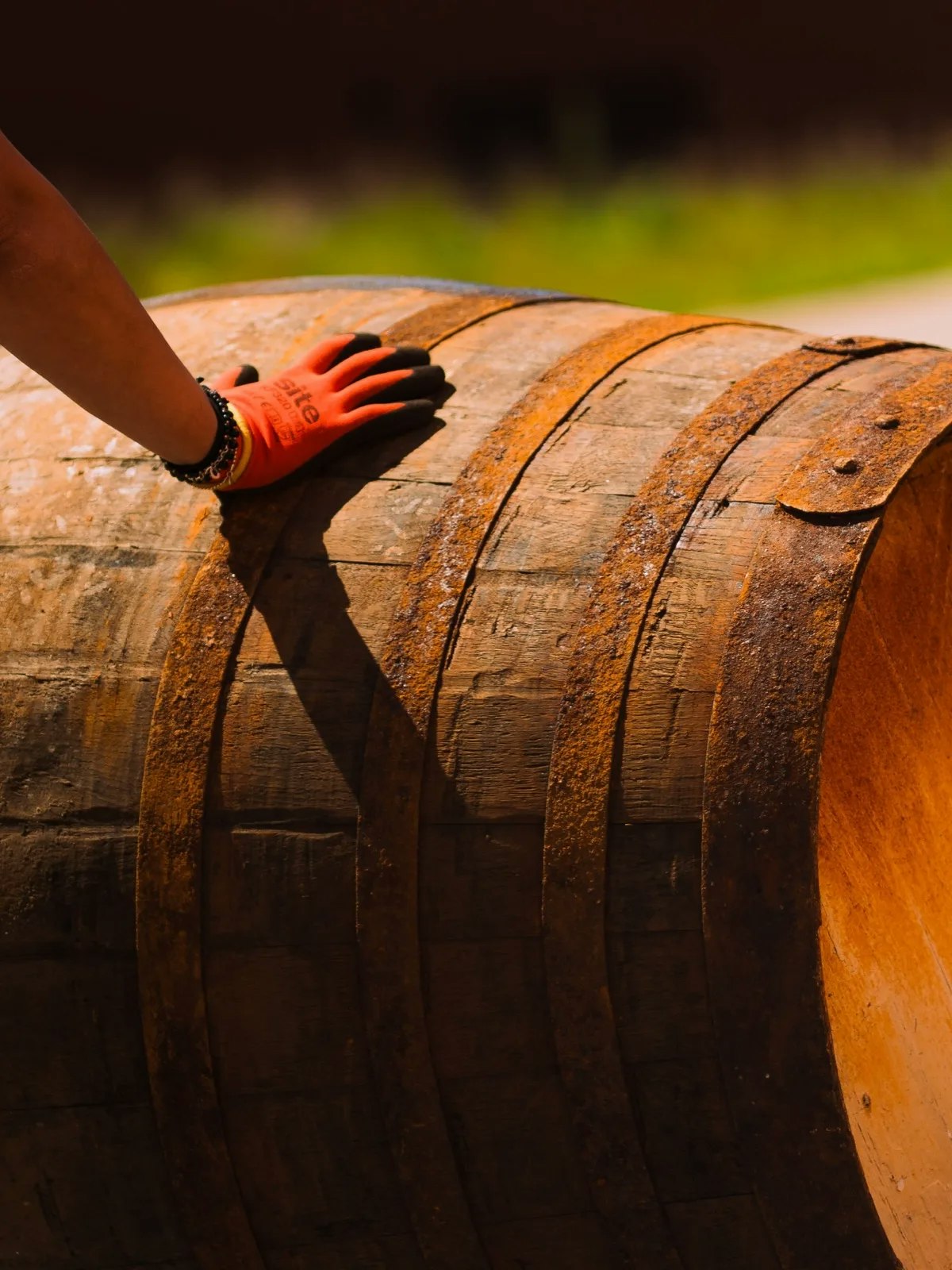
You own the spirit itself: a delivery order from our own bonded warehouse, a contract naming the cask and its location, and registration with HMRC. Your name sits at warehouse level, not on an internal certificate.
Storage, measurements, sampling, analysis and documentation are covered by one fixed management fee, so the decades of upkeep a cask needs are priced in from the start. We operate under an AFM license for investment objects in casks and bottles.
How casks complement bottles.
Most of our investors hold both, spread across regions, distilleries and ages, and reported on in one place.
Casks
A living product. Value builds through maturation, scarcity and management over decades, and is realised in bond.
Bottles
A finished product. Character is fixed at bottling, value is readable against auction data, and the position is more tradeable.
Continue with whisky investing
From the other asset to how ownership, returns and risks work in practice.
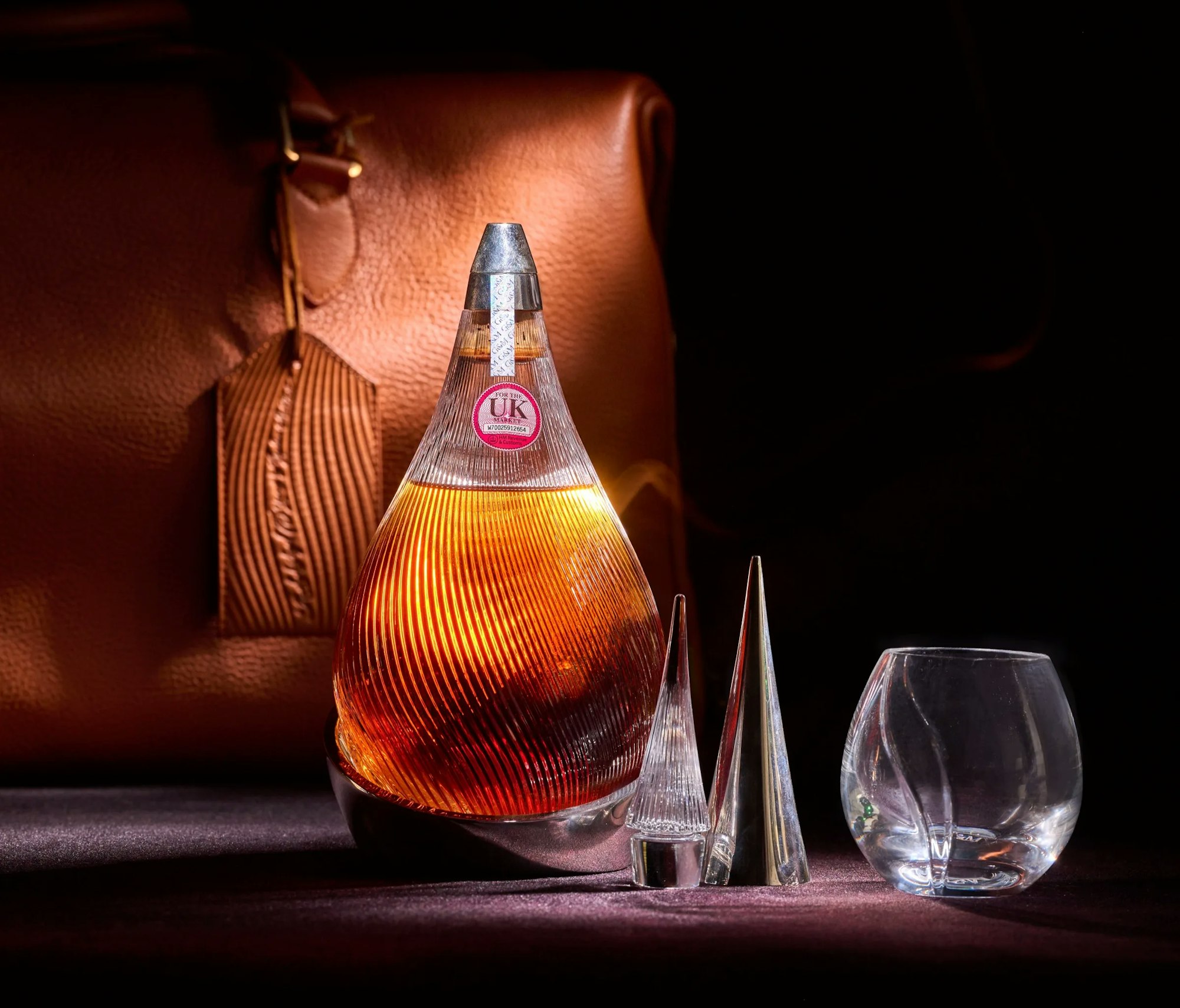
Rare & Collectible Bottles
A finished product, valued on brand, rarity and demand in the auction market.
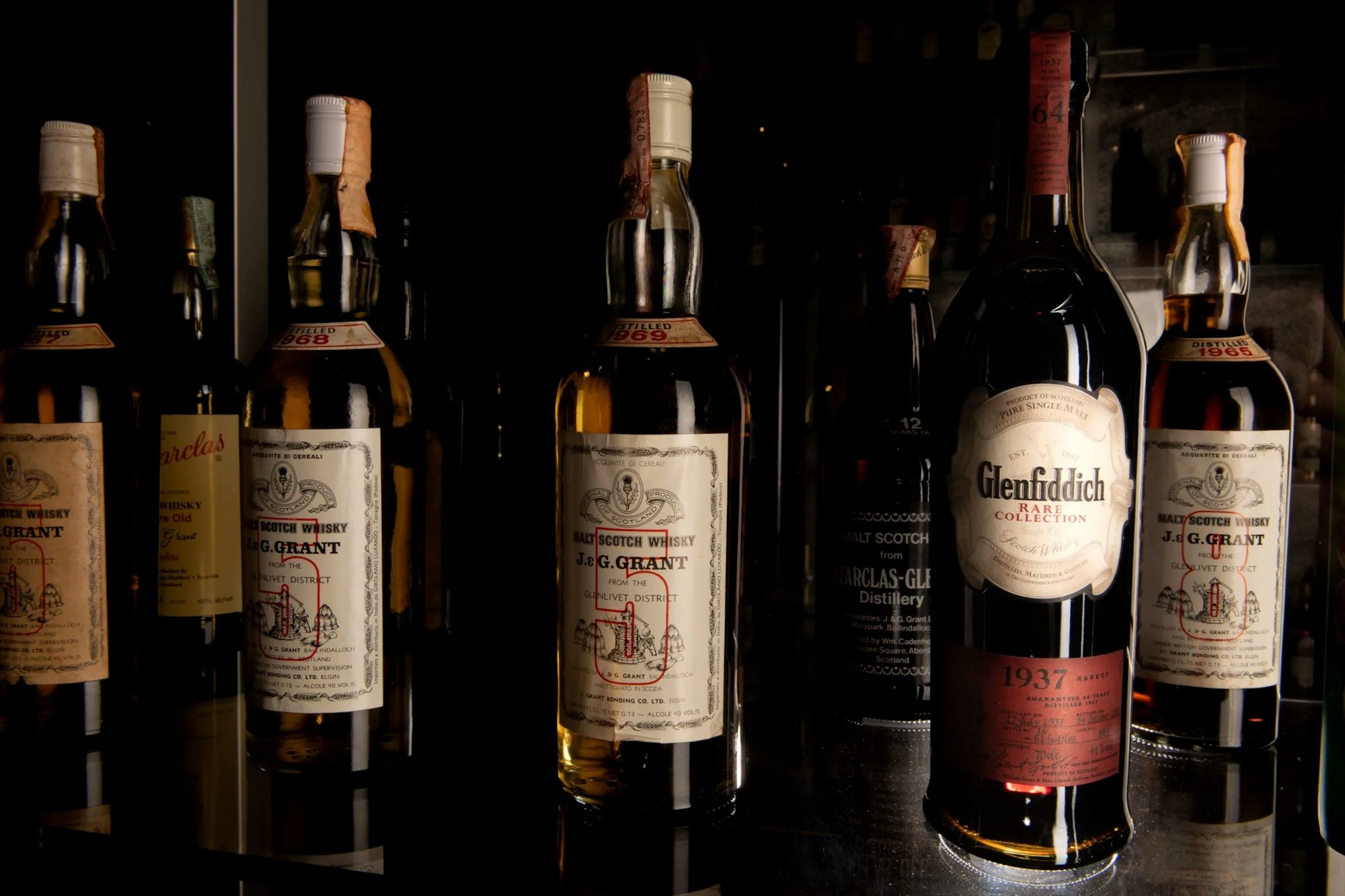
→
Portfolio Diversification
Why casks and bottles behave differently, and what that does for a portfolio.
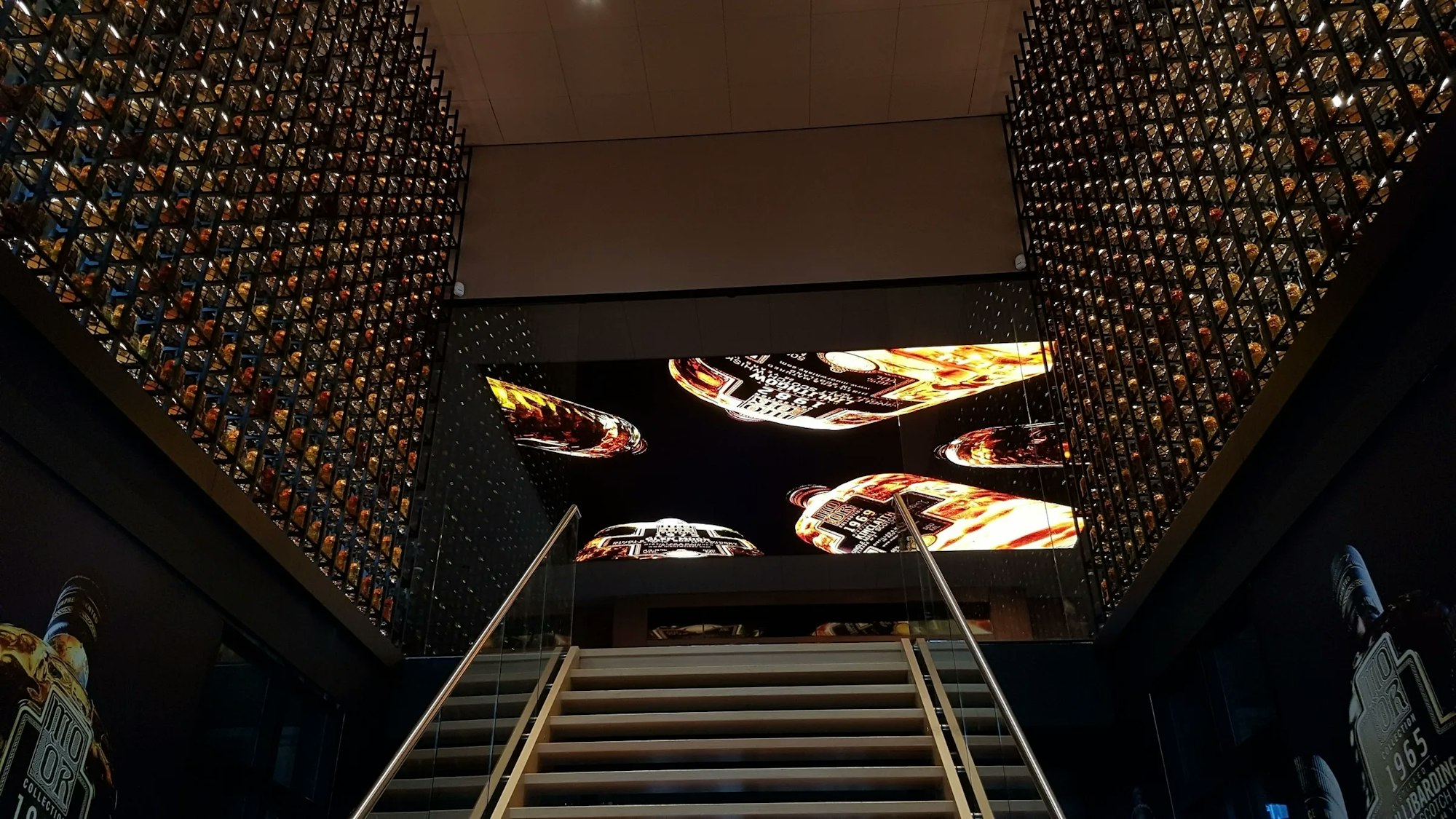
→
How It Works
From first conversation to eventual exit, step by step.
→
Ownership & Storage
What you own, in whose name, and how it is held in Scotland.
→
Value & Returns
How value is built up over time, and how we report on it.
→
Risks
Illiquidity, valuation, storage and market risk, set out in plain terms.
→
Questions about casks and their value?
Speak with Boris Postma about cask types, maturation and what determines a cask’s value.