Risk, on the table from the start.
Whisky is a long-term alternative investment, risk class 6 of 7 (AFM risk indicator). These are the risks we discuss with every investor, for casks and for bottles.
Twelve risks we put on the table
Every one is discussed before an investment is made, and revisited while it is held. Five of them sit with us.
Market risk
Whisky values can fall as well as rise with demand and sentiment.
Liquidity risk
Assets can take time to sell; exit is not immediate.
Valuation risk
Values are estimates until an actual sale completes.
Long horizon
Whisky is a multi-year hold; capital is committed.
Cask deterioration
Wood and spirit can develop faults over time.
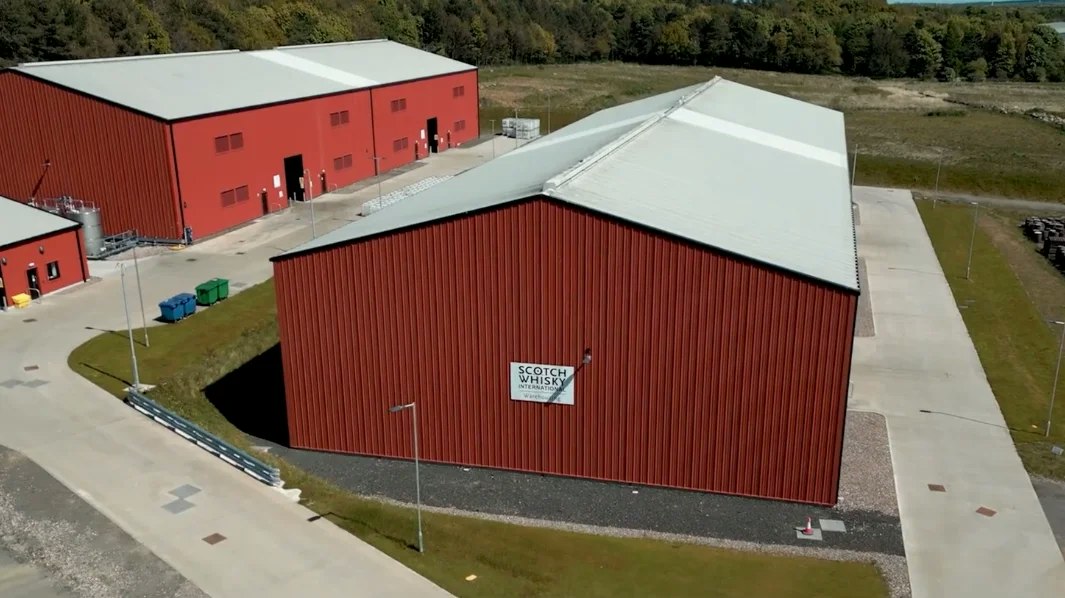
A quality guarantee on the spirit, with every cask managed in our own warehouse.
Angels' share
Natural evaporation reduces cask volume.
A quantity guarantee on the litres of alcohol at bottling.
Bottle condition
Seal, label and fill level affect collectible value.
Condition-controlled storage, insured at value.
Provenance
Ownership history must be verifiable.
Authentic assets, with the required documentation in your name.
Storage
Assets depend on correct, secure storage.
Storage, insurance and management sit with us, not with you.
Market demand
Demand for a distillery, style or release can change.
Exit availability
Suitable buyers may not be available on any timeline.
Regulatory and tax
Rules and tax treatment can vary and change.
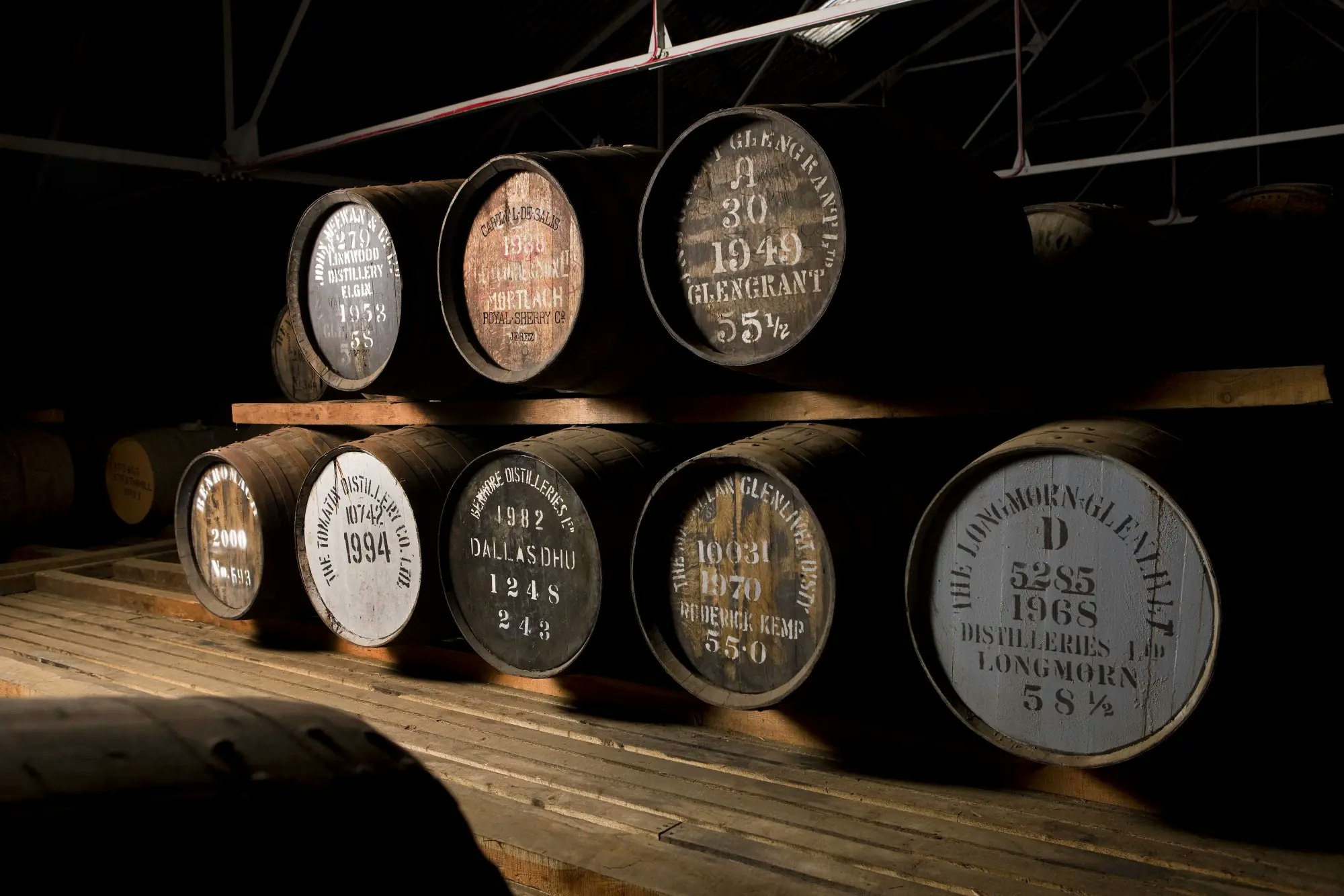
Understanding both opportunity and risk is central to our investment approach.
Scotch whisky is a long-term alternative investment. Value can fall as well as rise, these assets can be illiquid, and past performance is not a guarantee of future results. This is general information, not financial advice.
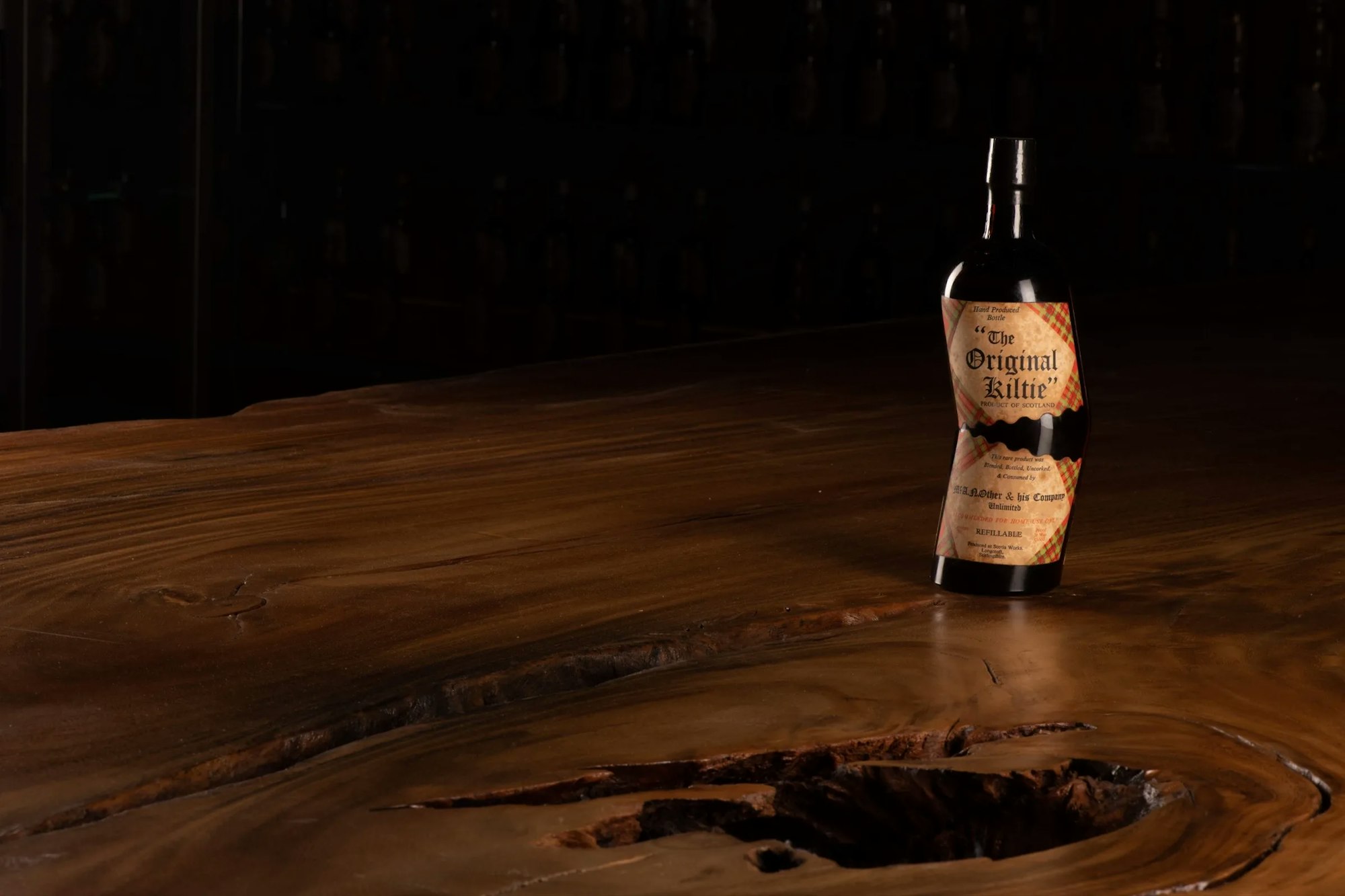
Capital is committed for years, and the exit depends on a buyer being there when the asset is ready.
Continue with whisky investing
From ownership and returns to how it works and the questions investors ask.

Why Scotch Whisky
Scotch whisky combines production constraints, long maturation and durable global demand: the traits investors look for in a physical asset.
→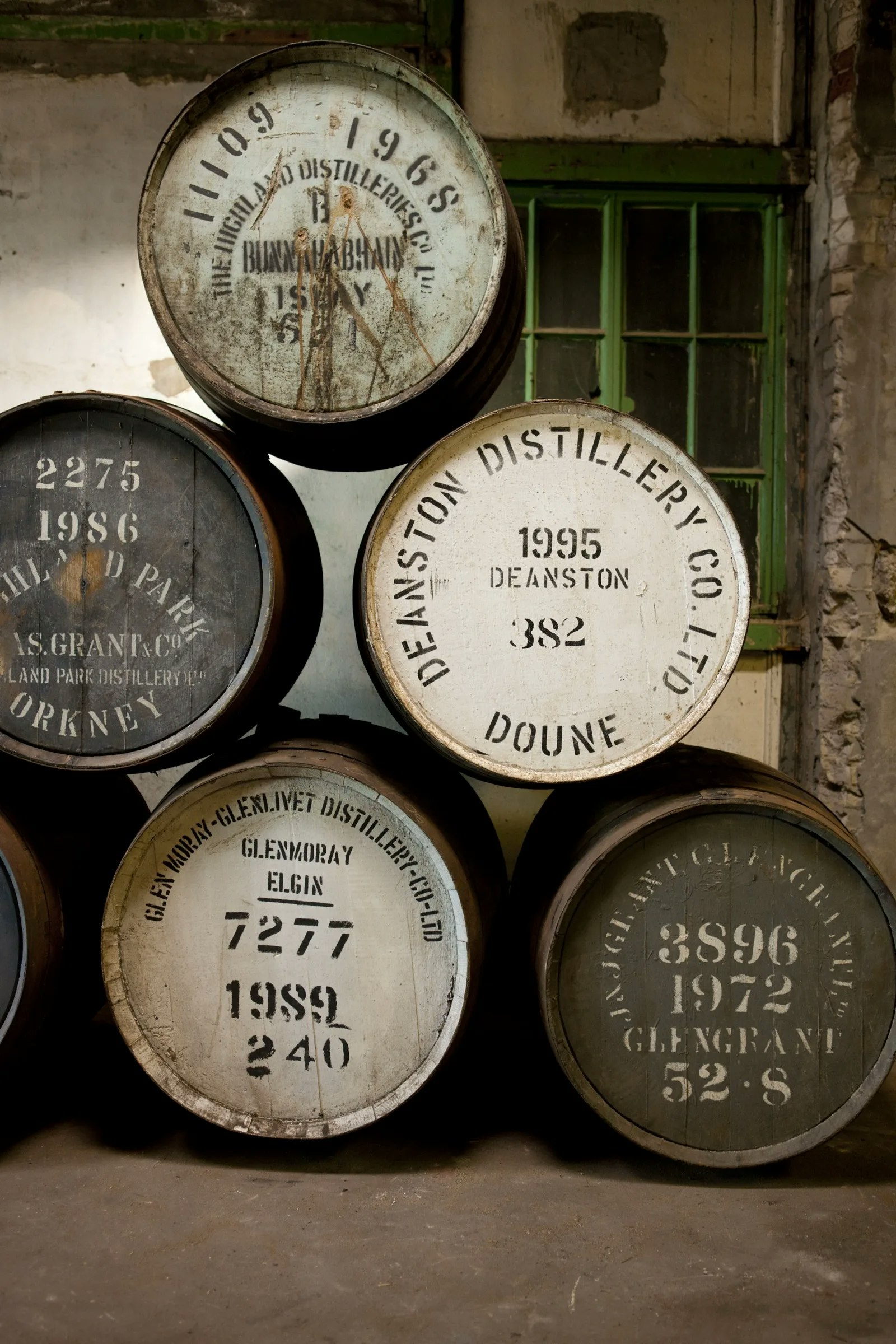
Whisky Casks
A living asset that develops in the wood, with maturation as part of the return.
→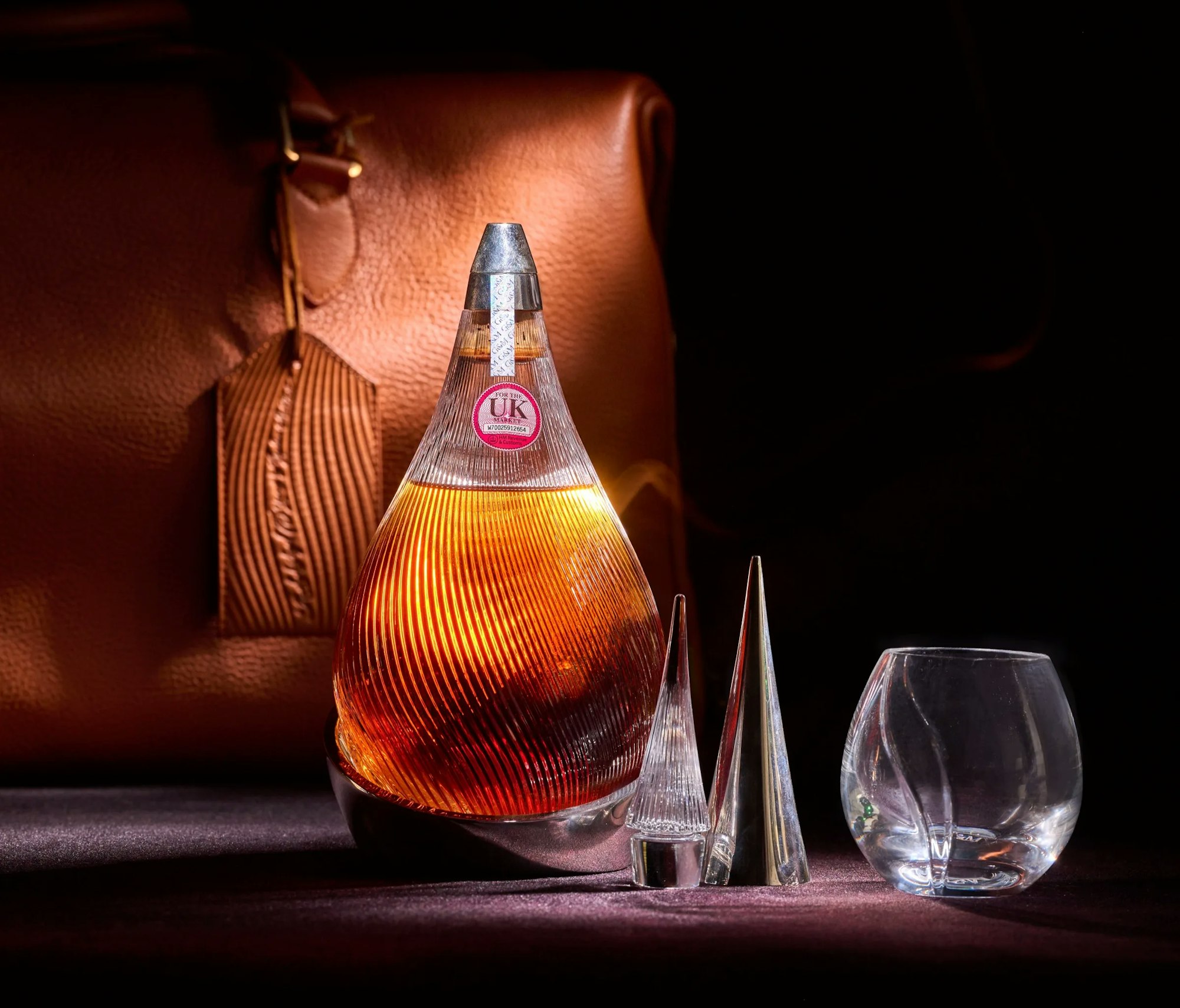
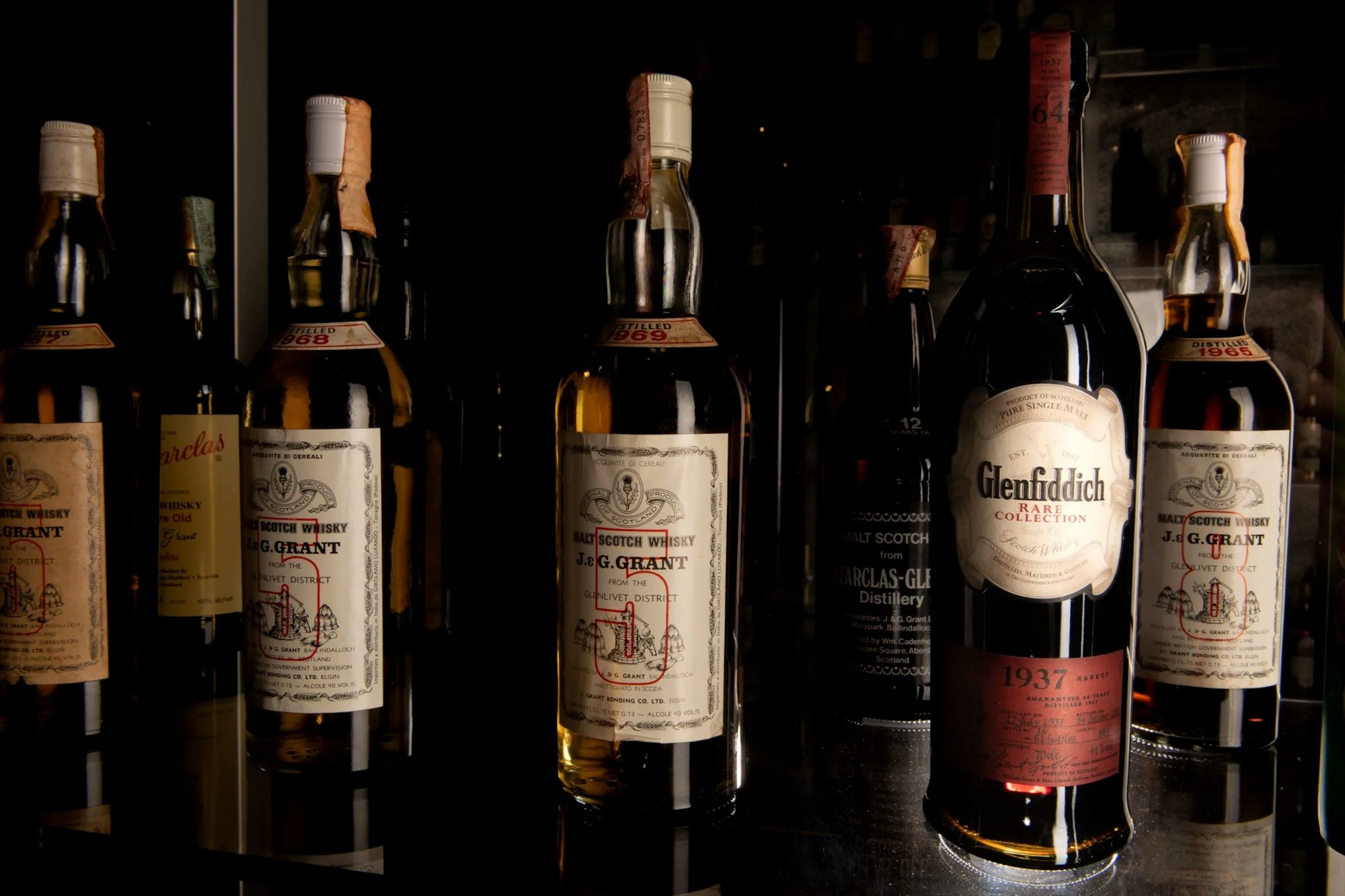
Rare & Collectible Bottles
A finished product, valued on brand, rarity and demand in the auction market.
→
Portfolio Diversification
Why casks and bottles behave differently, and what that does for a portfolio.
→
How It Works
From first conversation to eventual exit, step by step.
→
Ownership & Storage
What you own, in whose name, and how it is held in Scotland.
→
Questions about these risks? Discuss them with an adviser.
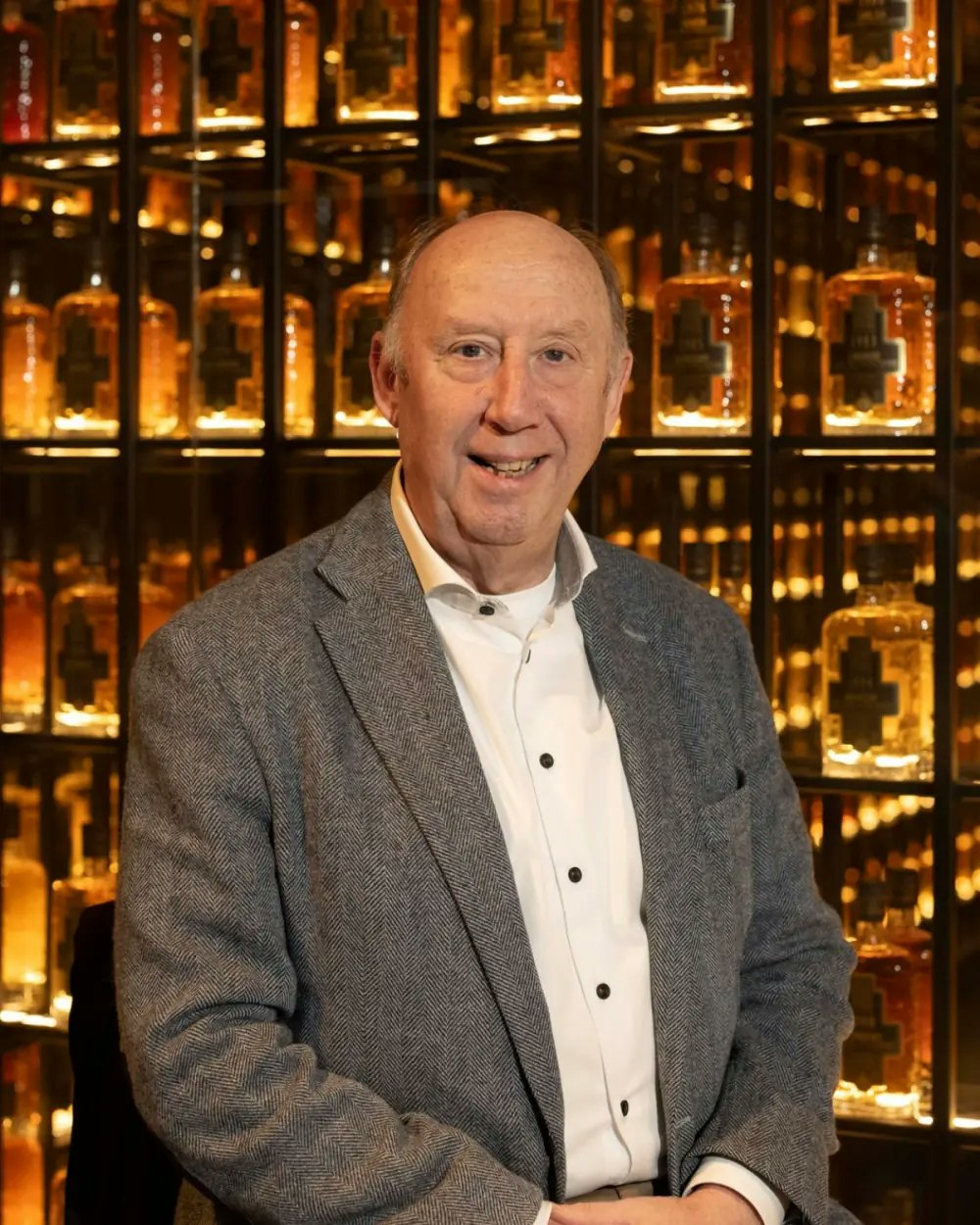
Speak with Jan-Willem Lokerman about these risks, how we manage them and whether this investment fits your situation.