
A scarce asset the world keeps discovering.
Scotch whisky combines production constraints, long maturation and durable global demand, the characteristics investors look for in a physical alternative asset.
Why whisky belongs in the conversation
Nine characteristics that make Scotch whisky an asset class rather than a collectible, from the physical asset itself to how it behaves inside a portfolio.
Heritage
Centuries of production, protected by origin and method. The oldest and rarest whiskies in the world still come from Scotland.
Production constraints
Under the Scotch Whisky Regulations 2009, Scotch must be distilled and matured in Scotland for at least three years. Supply cannot be rushed.
Maturation
A cask is a living asset. Character, complexity and market value develop in the wood, a time value that few other asset classes share.
Scarcity
Single malt is around 12% of the Scotch market. Whisky aged 25 years or more at bottling is just 0.7% of all single malt.
Global demand
Exports reached £5.36 billion in 2025, with 43 bottles leaving Scotland every second, and premiumisation continues in Asia.
Physical ownership
You are the legal and economic owner of the cask or bottle: a physical asset, held in your name.
Diversification
Academic work on rare whisky in multi-asset portfolios finds that a modest allocation can improve the risk and return profile of a conventional mix of equities and bonds.
Inflation hedge
As a real asset priced in a scarce physical good, whisky has historically held purchasing power better than cash over long holding periods.
Uncorrelated with financial markets
Returns are driven by maturation, rarity and collector demand rather than interest rates or earnings cycles, so price movements show little correlation with listed markets.
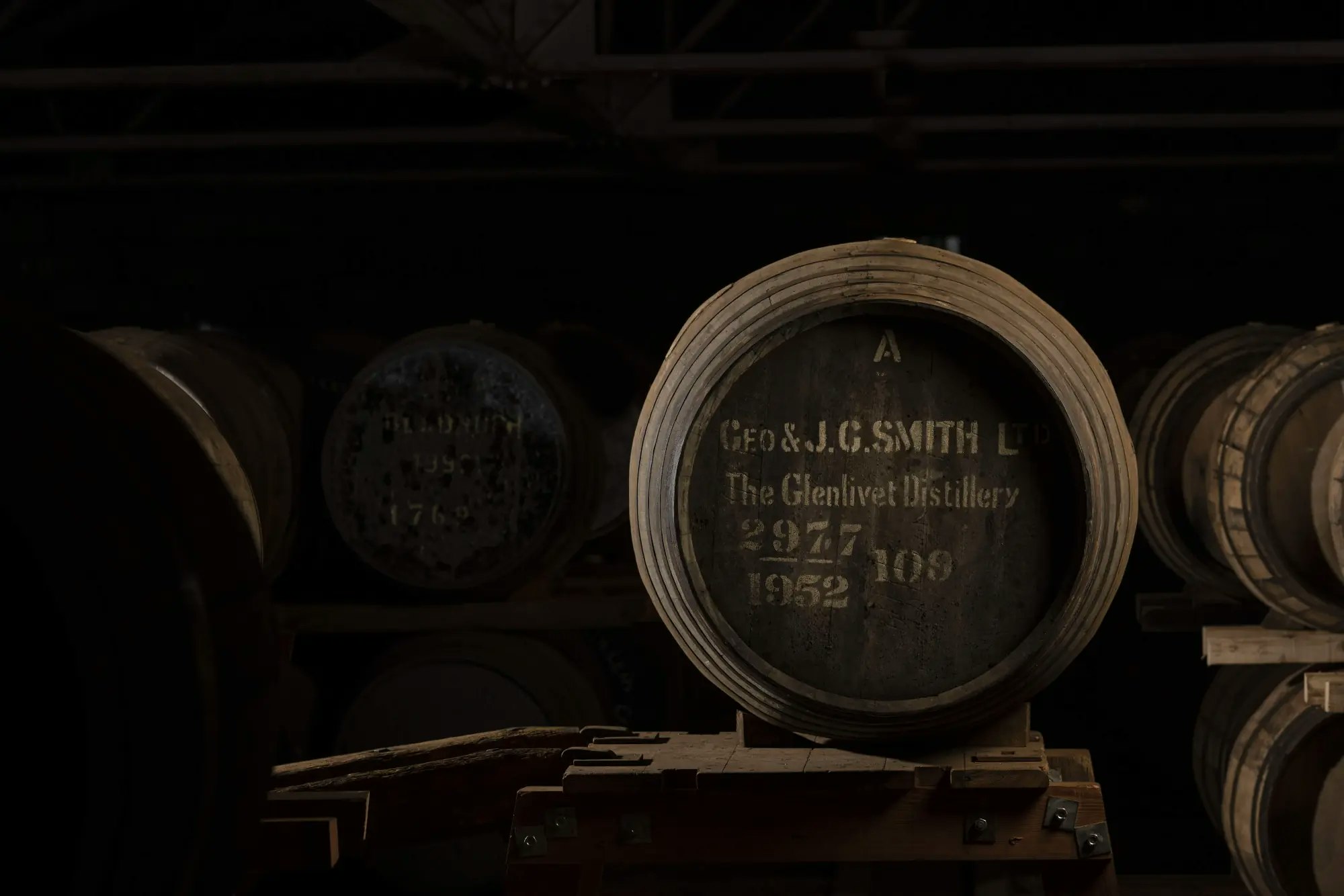
Every year of maturation is a year that cannot be added retrospectively to the world's limited stock of aged Scotch.
Returns build up over years
Scarcity, maturation and demand do their work slowly, and the market for rare Scotch moves in cycles rather than quarters. Whisky can fall in value as well as rise, so a horizon beyond ten years is what makes the asset class make sense.
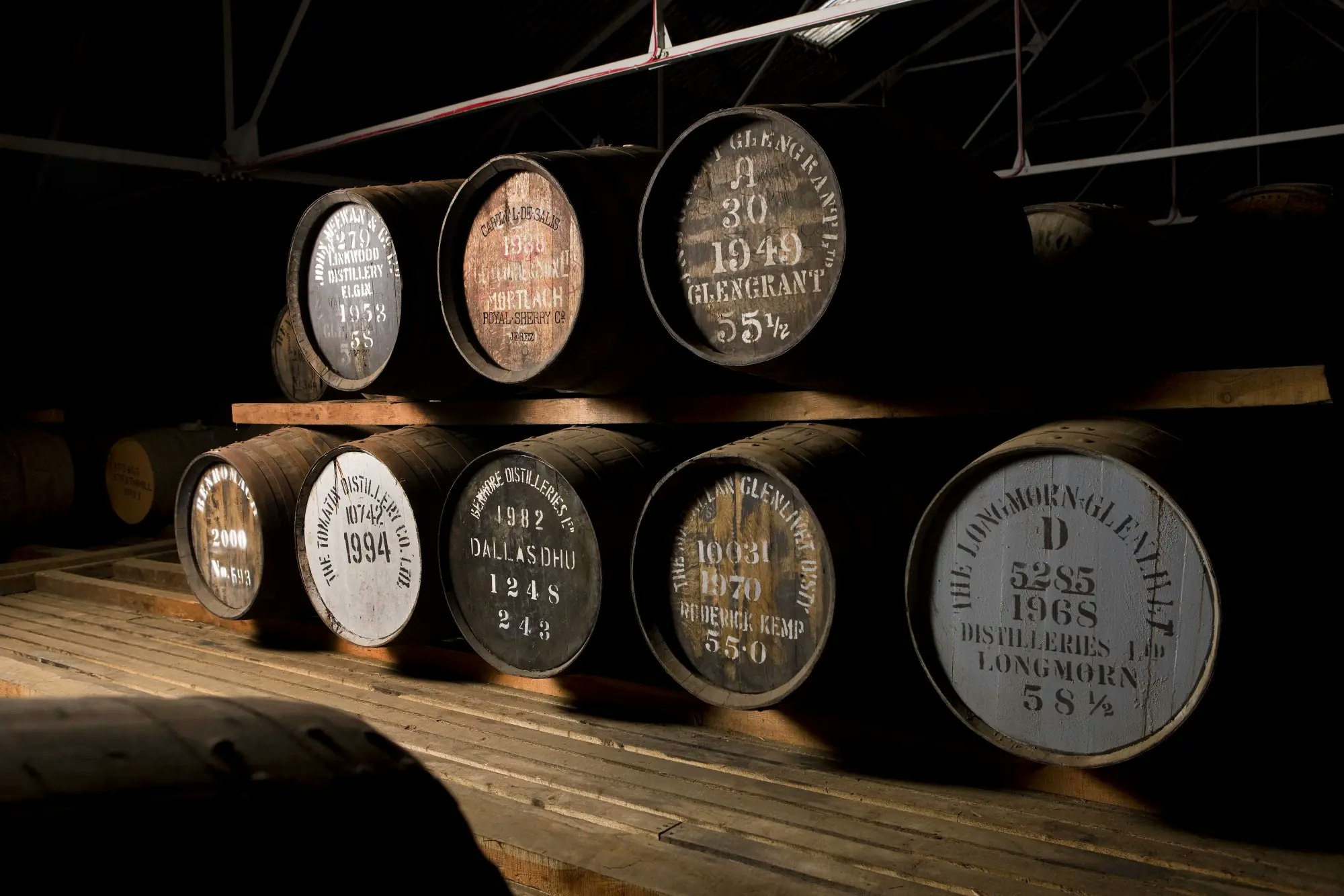
Continue with whisky investing
From the asset itself to how ownership, returns and risks work in practice.
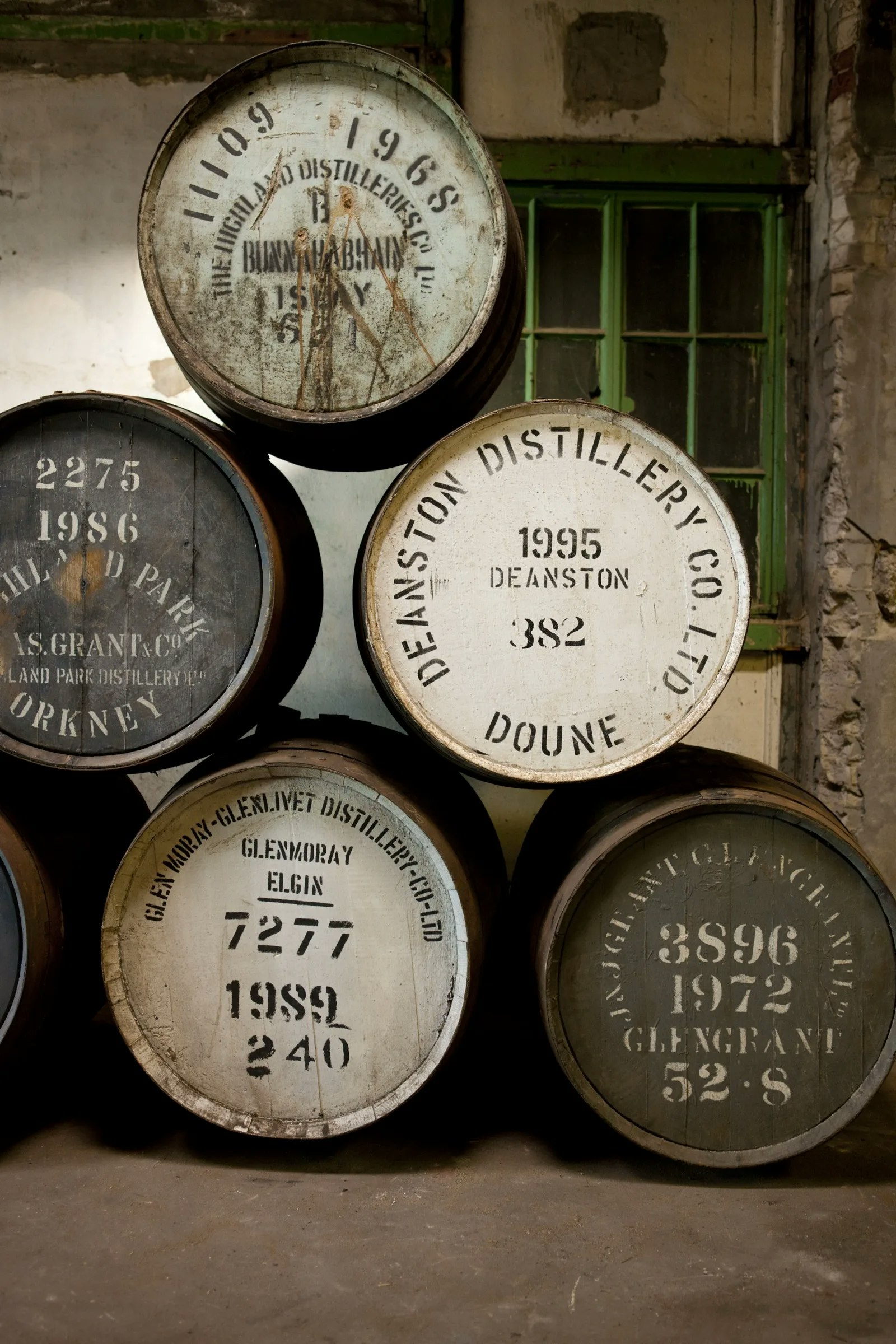
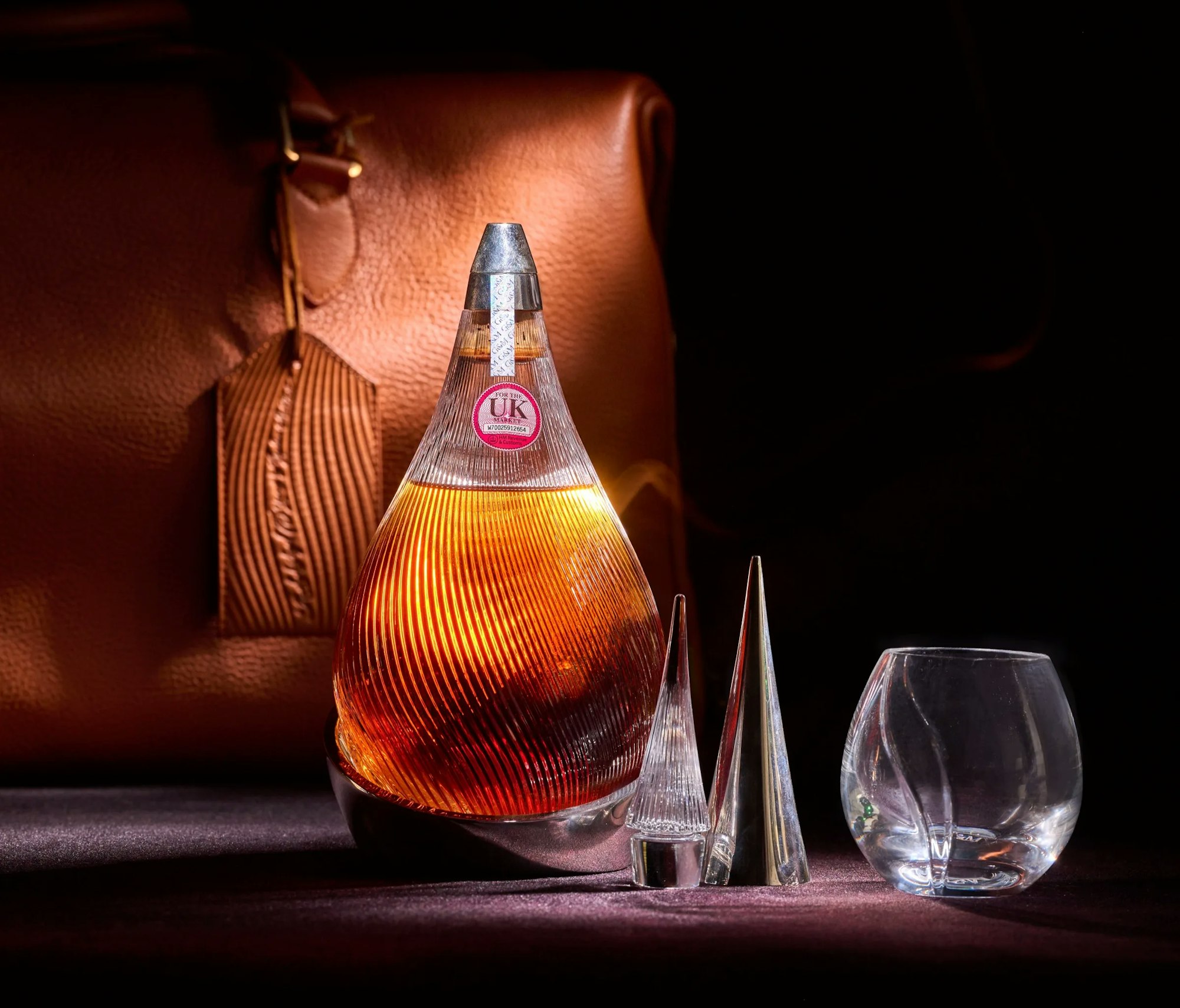
Whisky Casks
A living asset that develops in the wood, with maturation as part of the return.
→
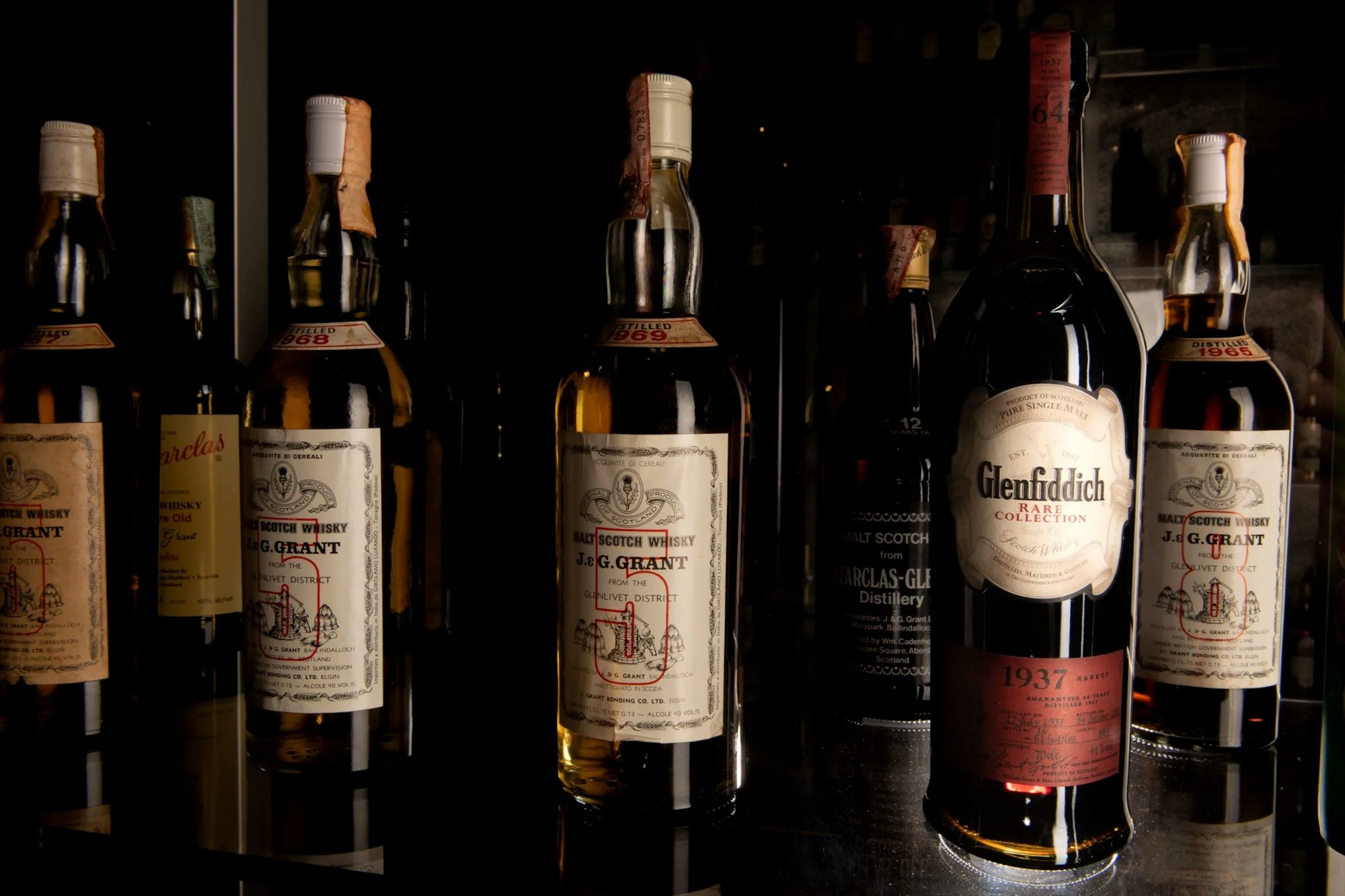
Rare & Collectible Bottles
A finished product, valued on brand, rarity and demand in the auction market.
→
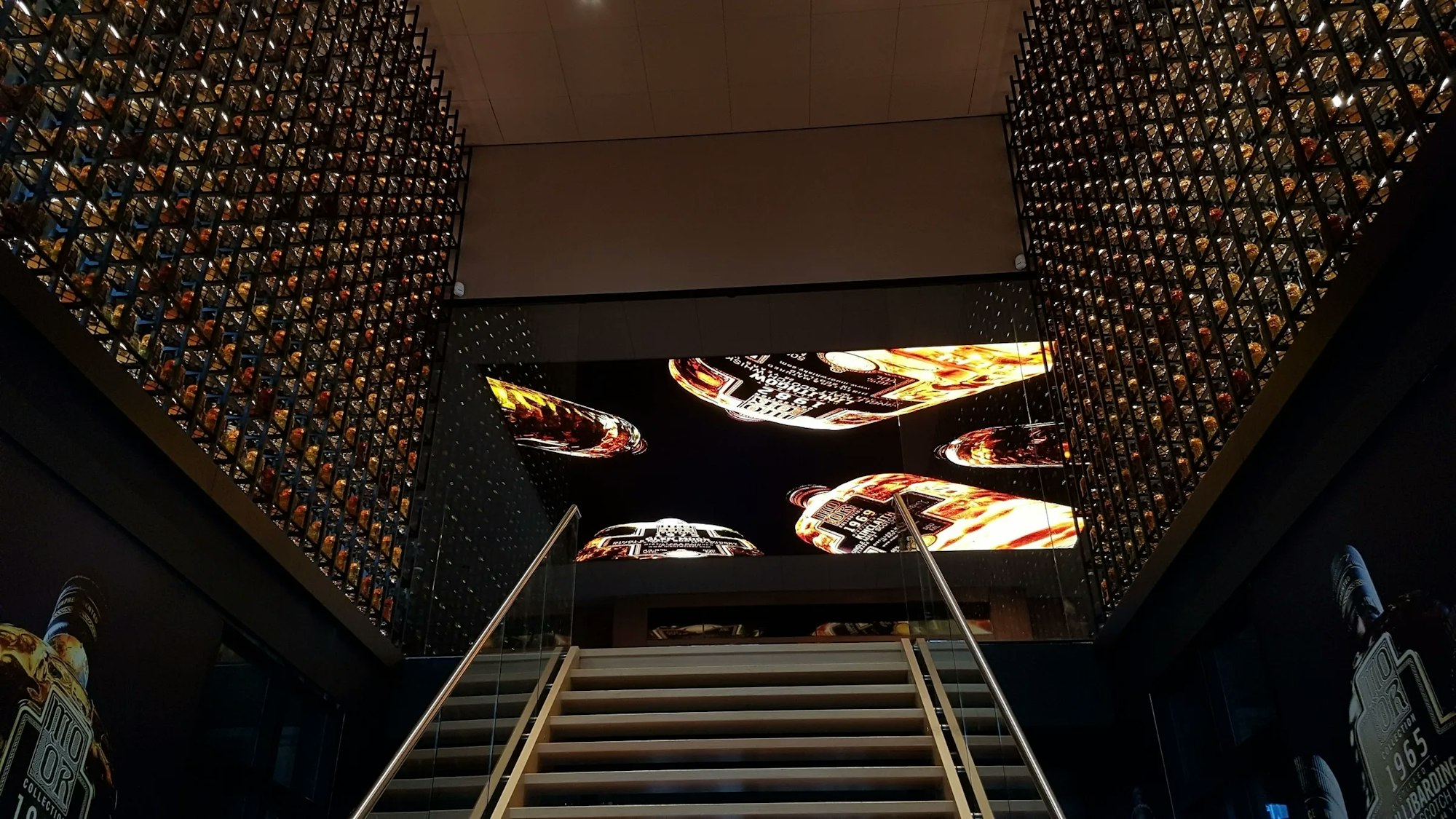
Portfolio Diversification
Why casks and bottles behave differently, and what that does for a portfolio.
→
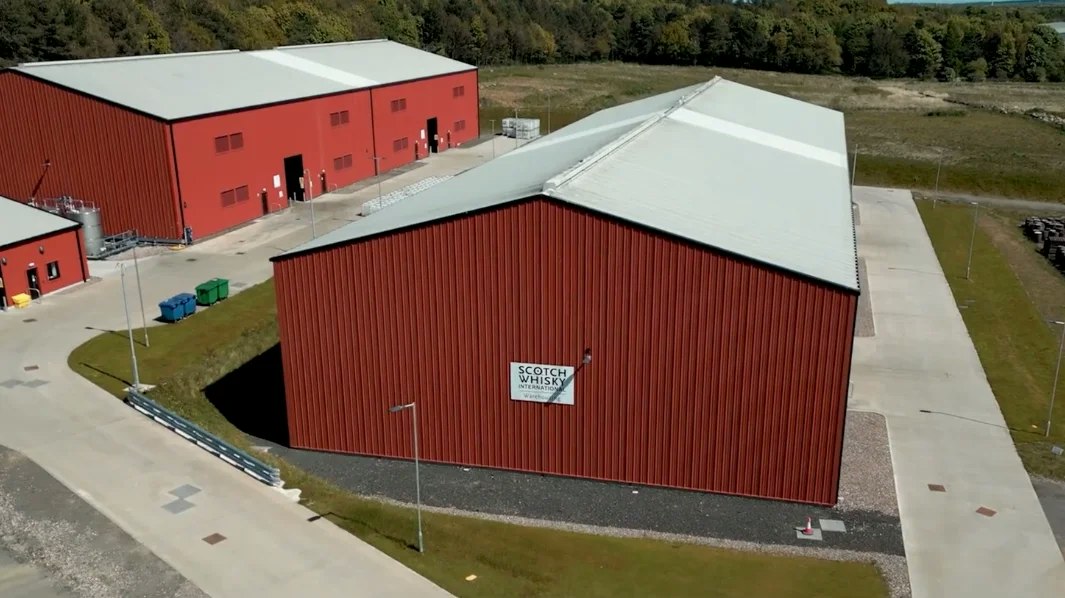
How It Works
From first conversation to eventual exit, step by step.
→
Ownership & Storage
What you own, in whose name, and how it is held in Scotland.
→
Value & Returns
How value is built up over time, and how we report on it.
→
Want to know whether Scotch whisky suits you?
Speak with Mark Veldman about the market, the outlook and the risks.