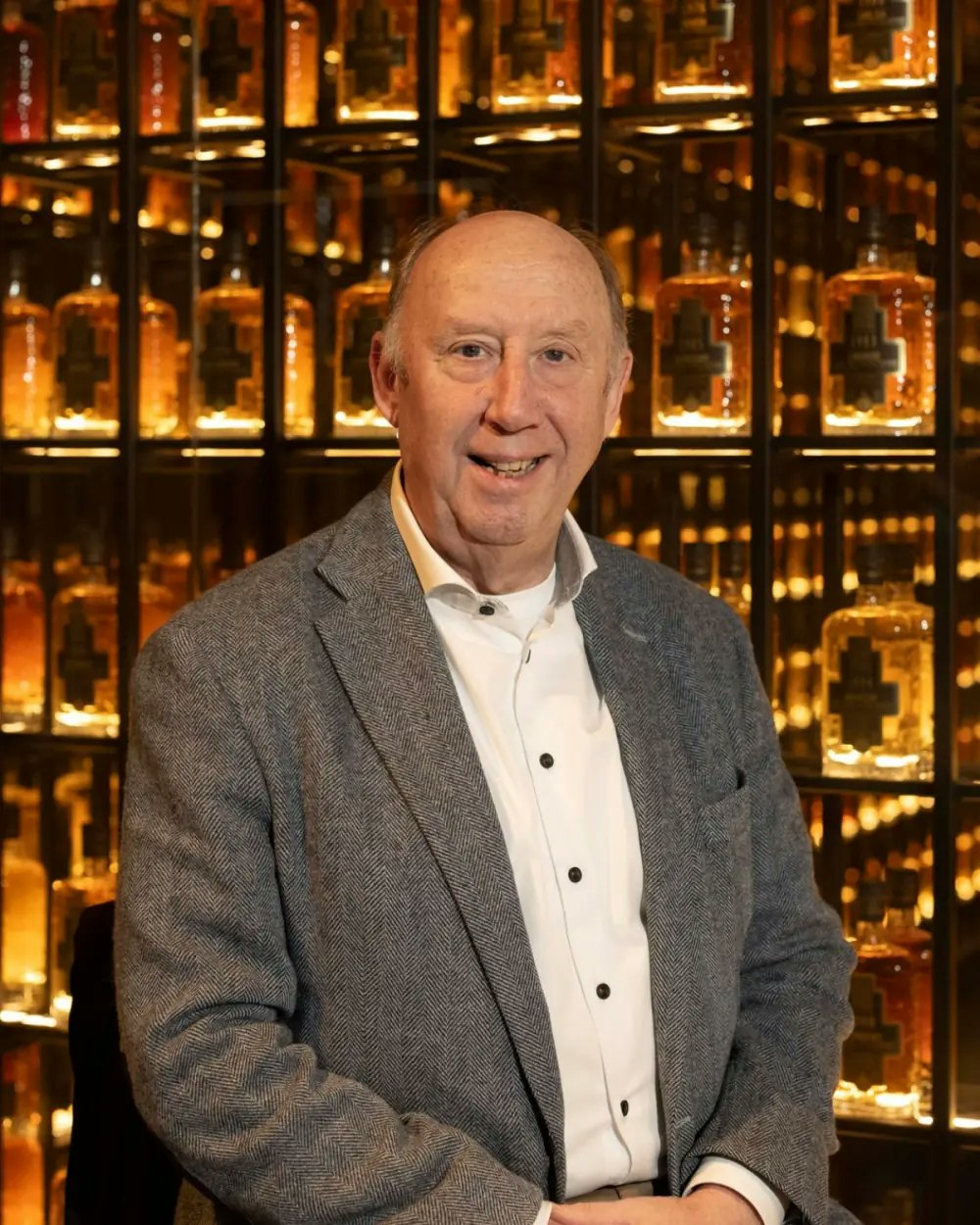
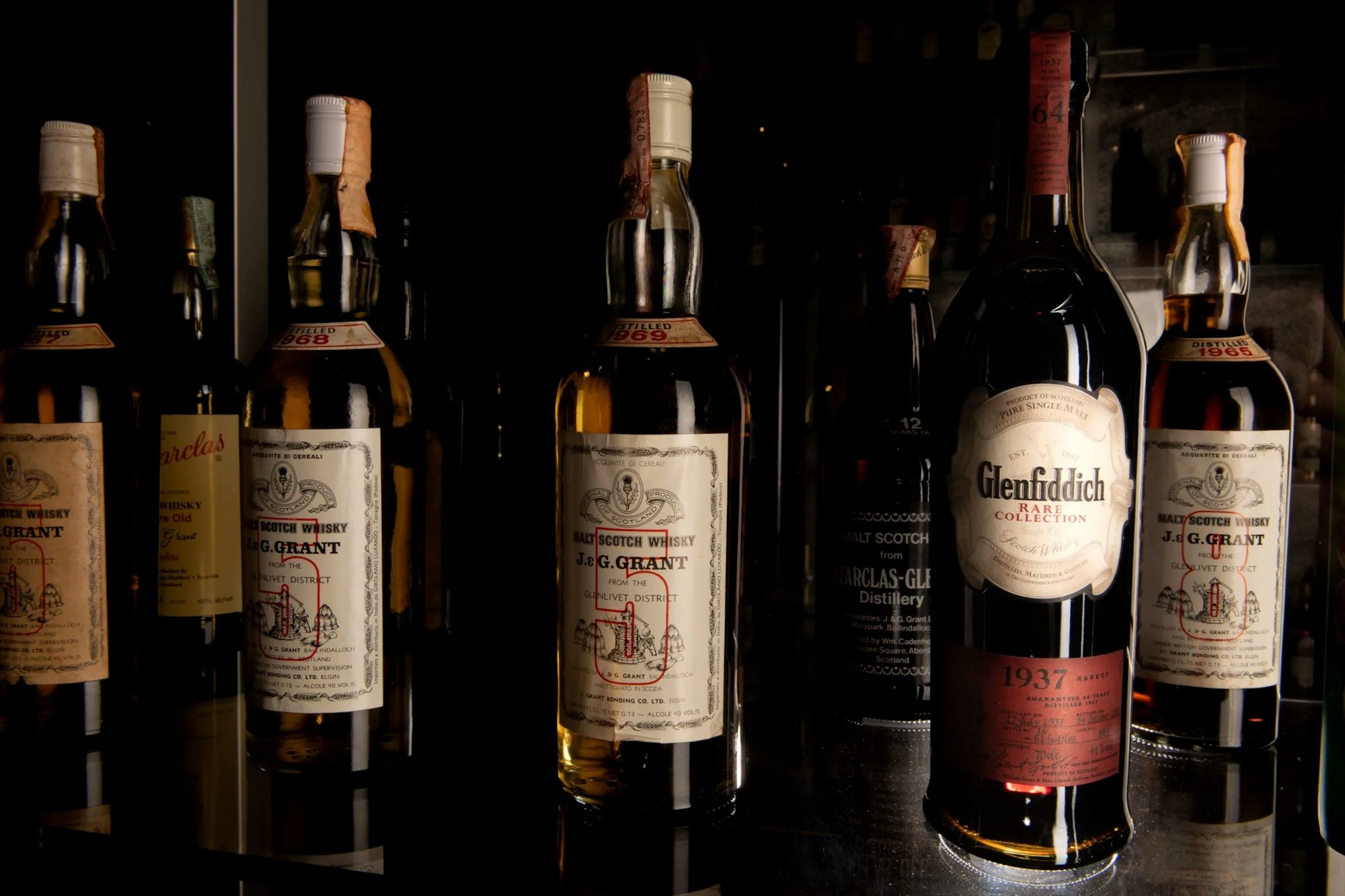
A diversified whisky portfolio.
A Scotch whisky portfolio does not need to depend on a single cask or a single bottle. Diversification spreads exposure across several dimensions.
Six ways to spread exposure
Casks and rare bottles, several producers, a range of years and staggered horizons.
Asset type
Casks and rare bottles behave differently.
Distillery
Exposure across several producers.
Age & vintage
A range of distillation years and ages.
Maturity
Different stages of the maturation curve.
Holding period
Staggered horizons and exit windows.
Market segment
Different collector and trade demand pools.
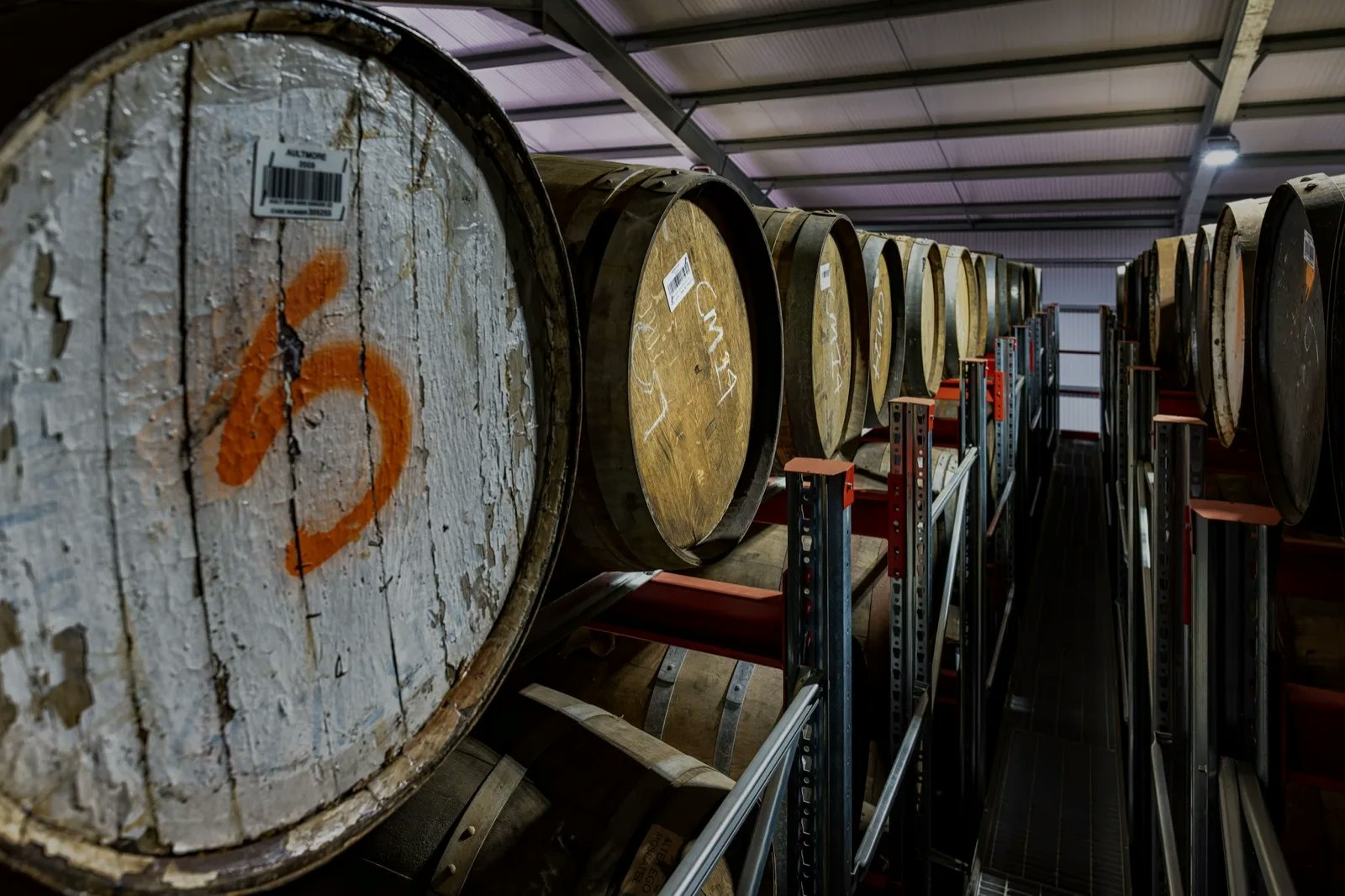
One cask is a position. So is one bottle. Casks and rare bottles spread across seventeen distilleries is a portfolio.
We compose a diversified portfolio and allocate it to the investor.
The example below shows how one portfolio can be composed.
Two mechanisms, one portfolio
Casks carry the long development, bottles carry readable market value and the option to sell sooner.
Staggered maturity
Different bottling ages mean exit windows arrive in sequence, rather than the whole portfolio maturing at once.
Seventeen names in one example portfolio
Across Speyside, Islay, the Highlands and the Lowlands, including closed and silent distilleries.
Illustrative example only. Distilleries, weightings and bottling ages differ per portfolio and are composed by us. Nothing on this page is an offer or investment advice.
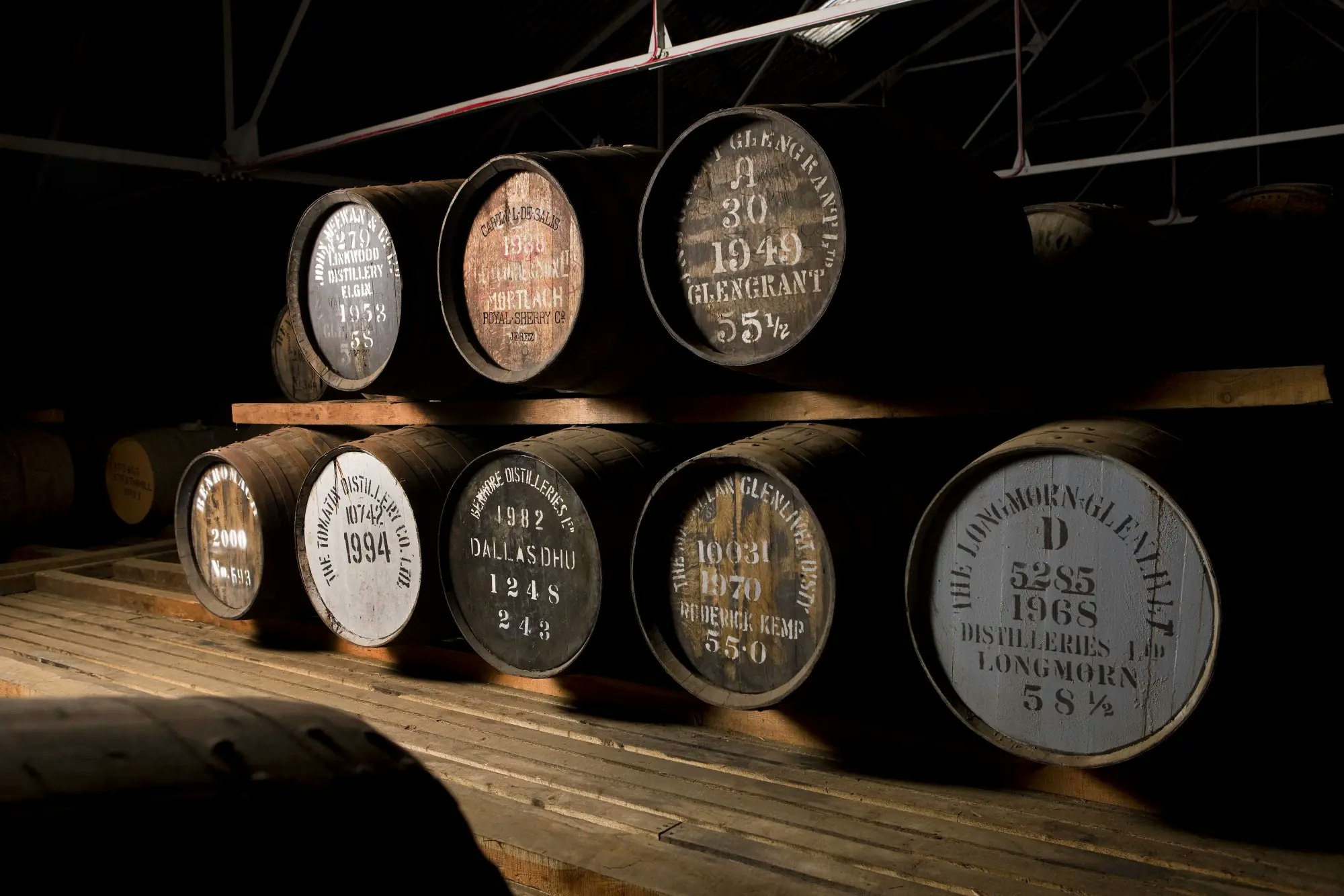
Casks and bottles work as two separate mechanisms within the portfolio.
Casks
A living product. Value builds through maturation, scarcity and management over three to four decades, and is realised in bond.
Bottles
A finished product. Character is fixed at bottling, value is readable against auction data, and the position is more tradeable.
How an allocation is built
Our portfolios use a standard weighting of roughly 80% casks and 20% bottles; this weighting can change over time. Spread is built into the selection, from the mandate through to each review.
Mandate
You choose the proposition and the entry level; amount and horizon set the size of the portfolio.
Selection
Casks and bottles are chosen on distillery, age, wood and market depth.
Spread
Positions are distributed across producers, vintages and maturities.
Review
The portfolio is revalued and rebalanced as casks mature and exit windows open.
Continue with whisky investing
From the two assets themselves to returns and risks in practice.
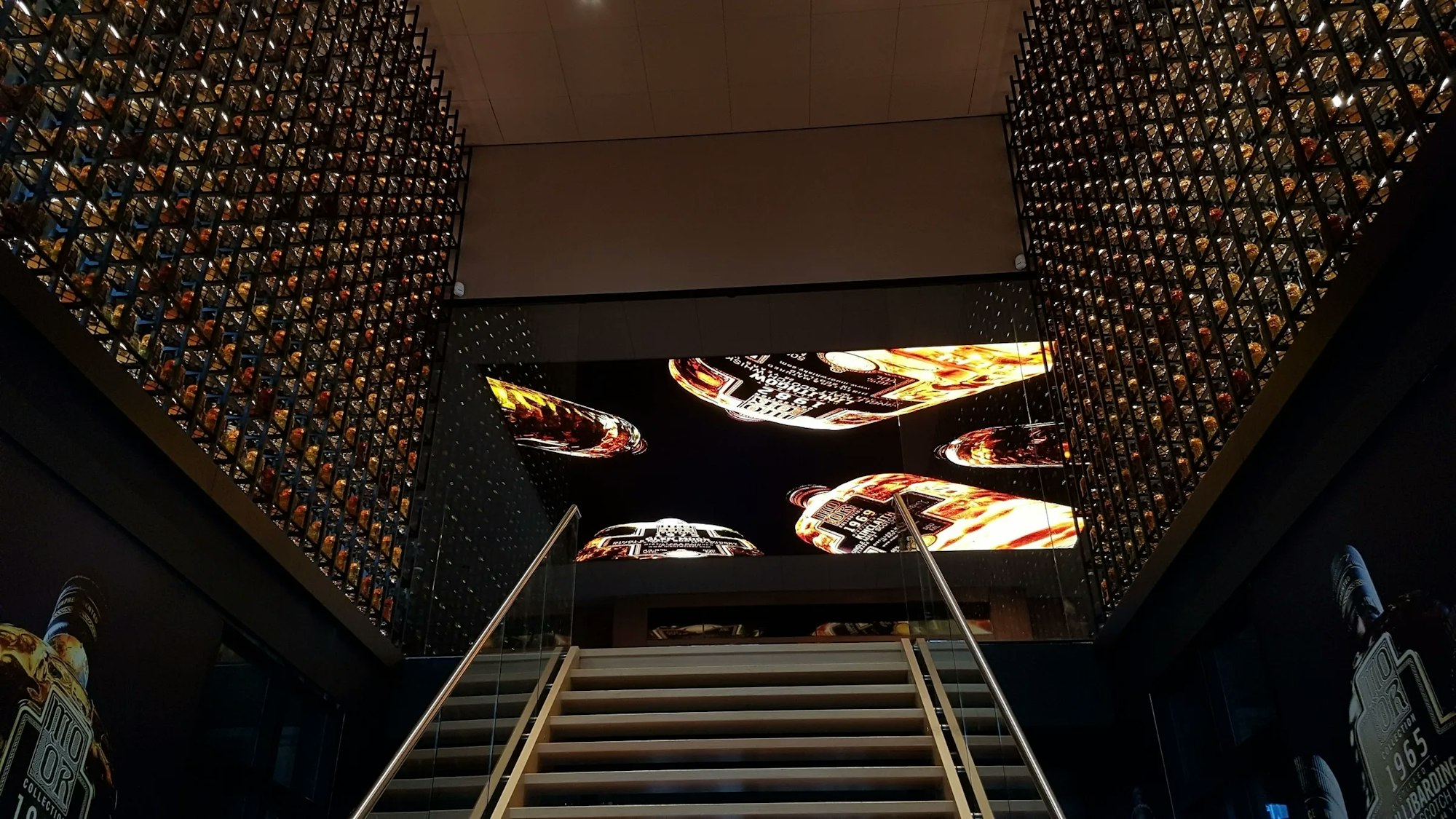
How It Works
From first conversation to eventual exit, step by step.
→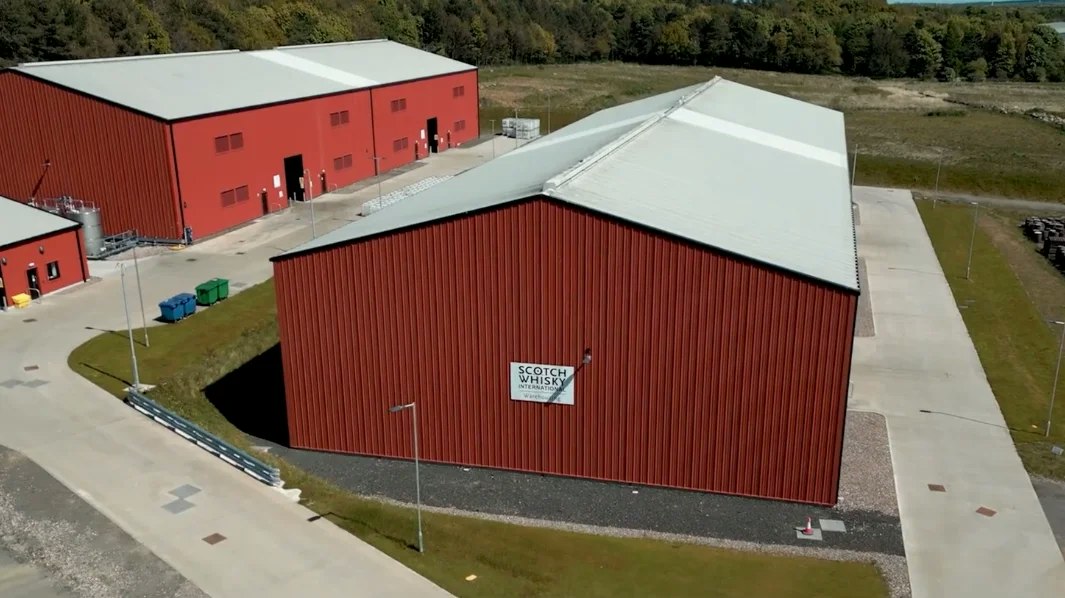
Ownership & Storage
What you own, in whose name, and how it is held in Scotland.
→
Value & Returns
How value is built up over time, and how we report on it.
→
Risks
Illiquidity, valuation, storage and market risk, set out in plain terms.
→
Why Scotch Whisky
Scotch whisky combines production constraints, long maturation and durable global demand: the traits investors look for in a physical asset.
→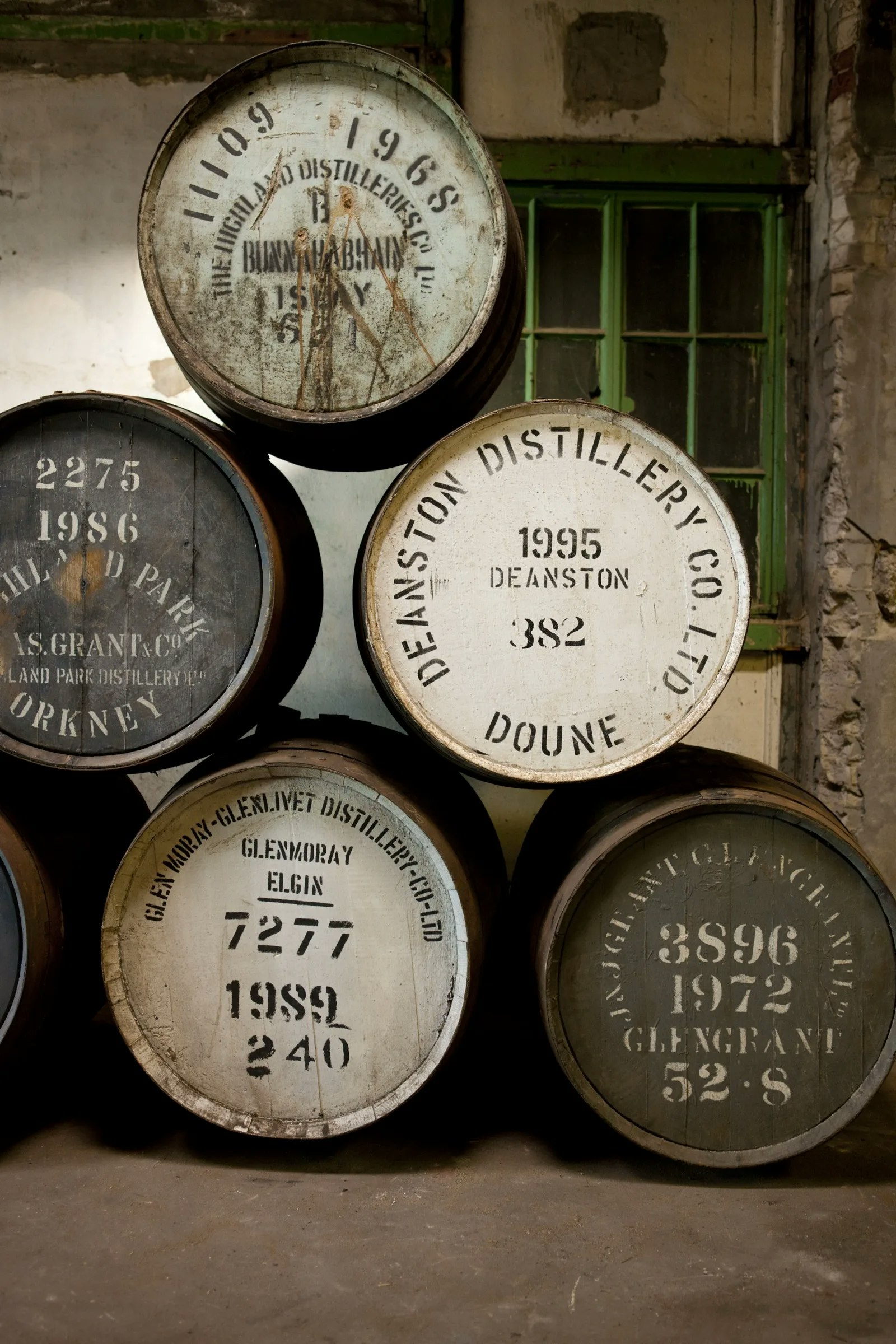
Whisky Casks
A living asset that develops in the wood, with maturation as part of the return.
→
Does whisky fit in your portfolio?
Speak with Jan-Willem Lokerman about the place of whisky alongside your other investments and about the risks.