From first conversation to exit.
It starts with an exploratory conversation. What follows is a documented process for casks and rare bottles, carried out under our AFM licence.
Ten steps, from exploratory conversation to exit.
The same sequence applies to every portfolio: profile and suitability first, casks and bottles after.
Exploratory conversation
An open conversation about Scotch whisky as an asset, your questions and your situation. No obligation.
Investor profile
As an AFM licensed party we record knowledge, experience, objectives, horizon and risk tolerance.
Know your customer
Identification, source of funds and sanctions checks are completed before any purchase.
Suitability check
We test whether whisky fits the profile, and keep the allocation within 10% of freely investable assets.
Portfolio construction
A diversified structure across casks and rare bottles, with a standard weighting of roughly 80% casks and 20% bottles that can change over time; you choose the horizon and entry level.
Selection
Specific casks and bottles are proposed, with distillery, year, cask type and condition documented.
Documentation
Purchase agreement, certificates and a delivery order in your own name.
Storage and insurance
Casks in bonded warehousing in Scotland, bottles in a secured vault, insured at value.
Management and reporting
Monitoring, sampling and valuation through the holding period, reported to you.
Exit
Timing and route are discussed with you, then executed per cask or per bottle.
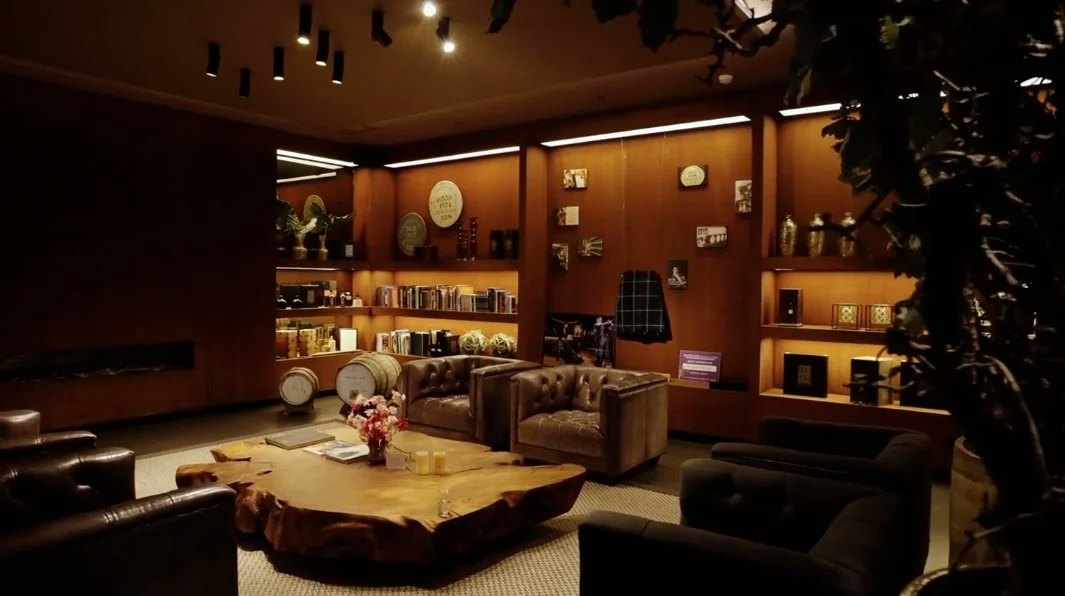
Profile, suitability, ownership and storage are all recorded.
Continue with whisky investing
From ownership and storage to returns, risks and the questions investors ask.
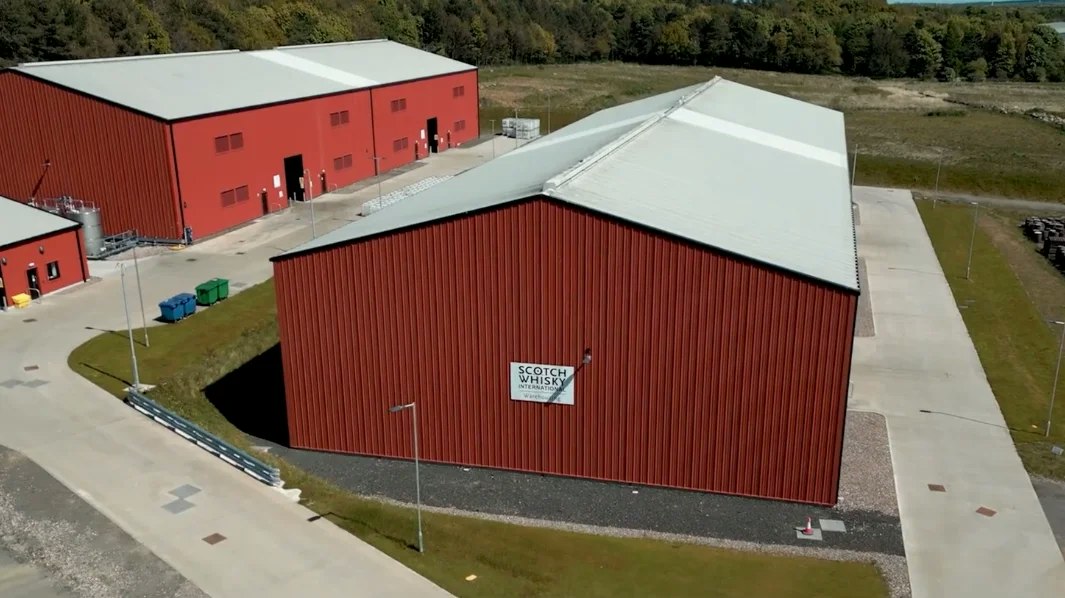
Ownership & Storage
What you own, in whose name, and how it is held in Scotland.
→
Value & Returns
How value is built up over time, and how we report on it.
→
Risks
Illiquidity, valuation, storage and market risk, set out in plain terms.
→
Why Scotch Whisky
Scotch whisky combines production constraints, long maturation and durable global demand: the traits investors look for in a physical asset.
→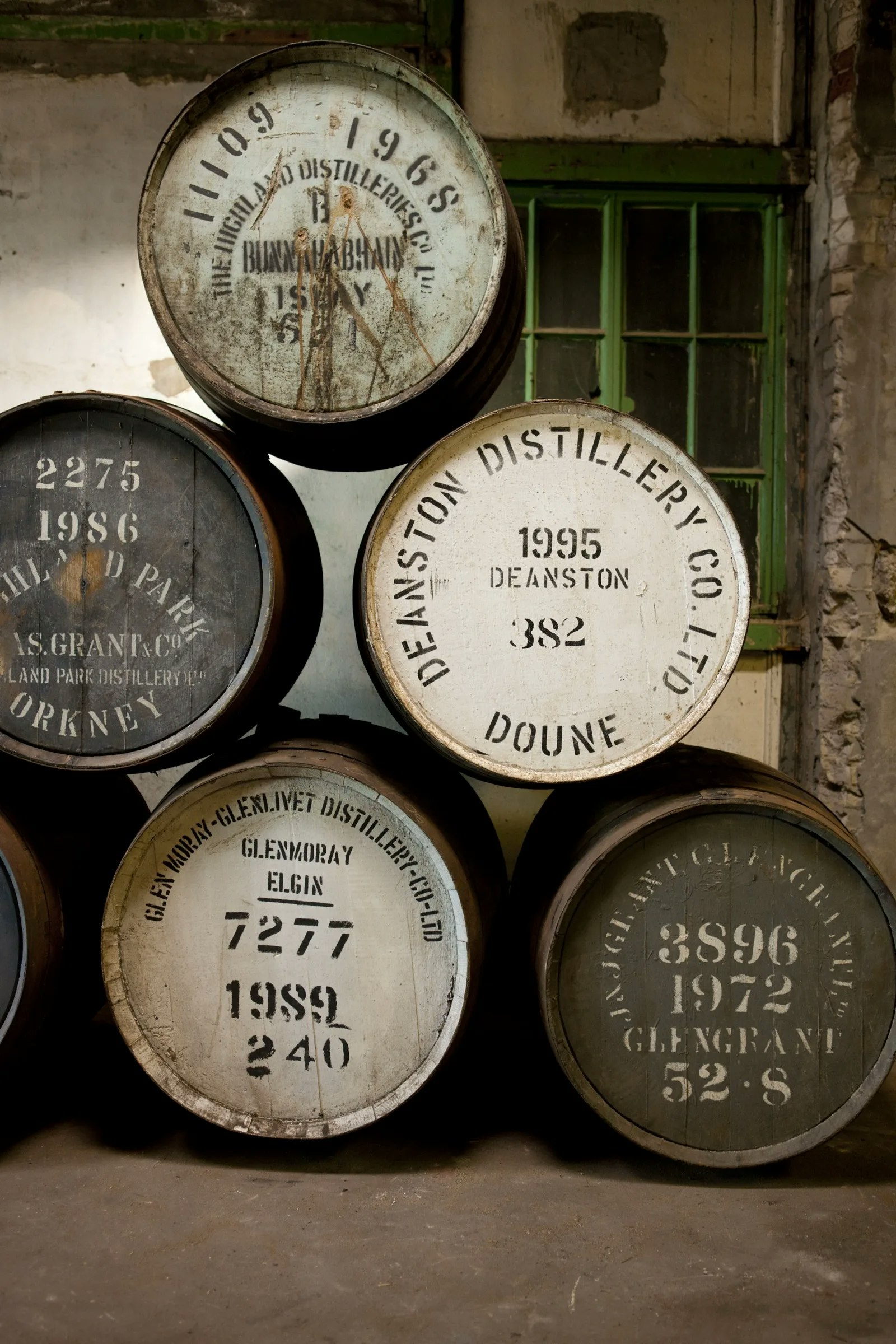
Whisky Casks
A living asset that develops in the wood, with maturation as part of the return.
→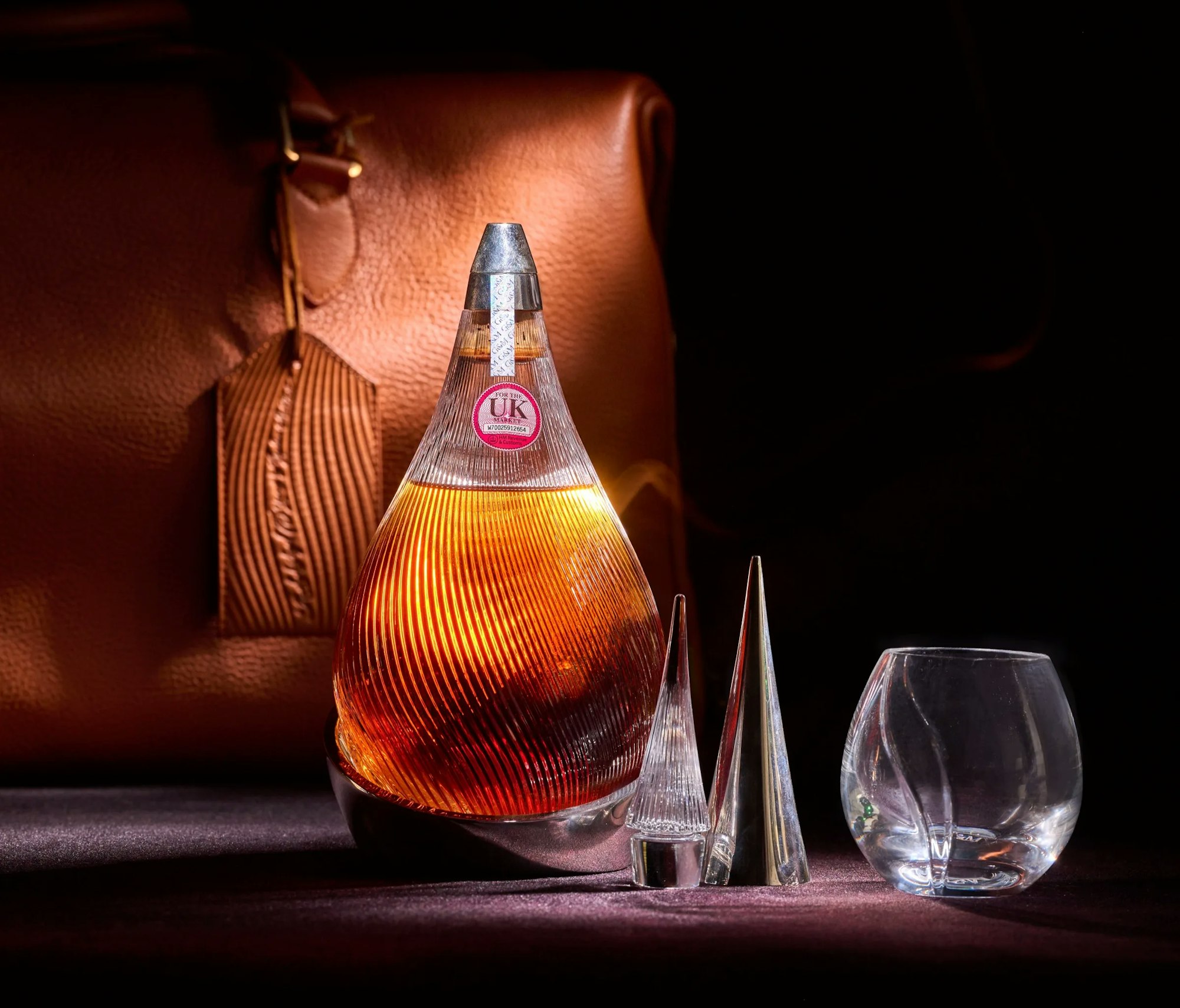
Rare & Collectible Bottles
A finished product, valued on brand, rarity and demand in the auction market.
→
Would you like to go through the steps together?
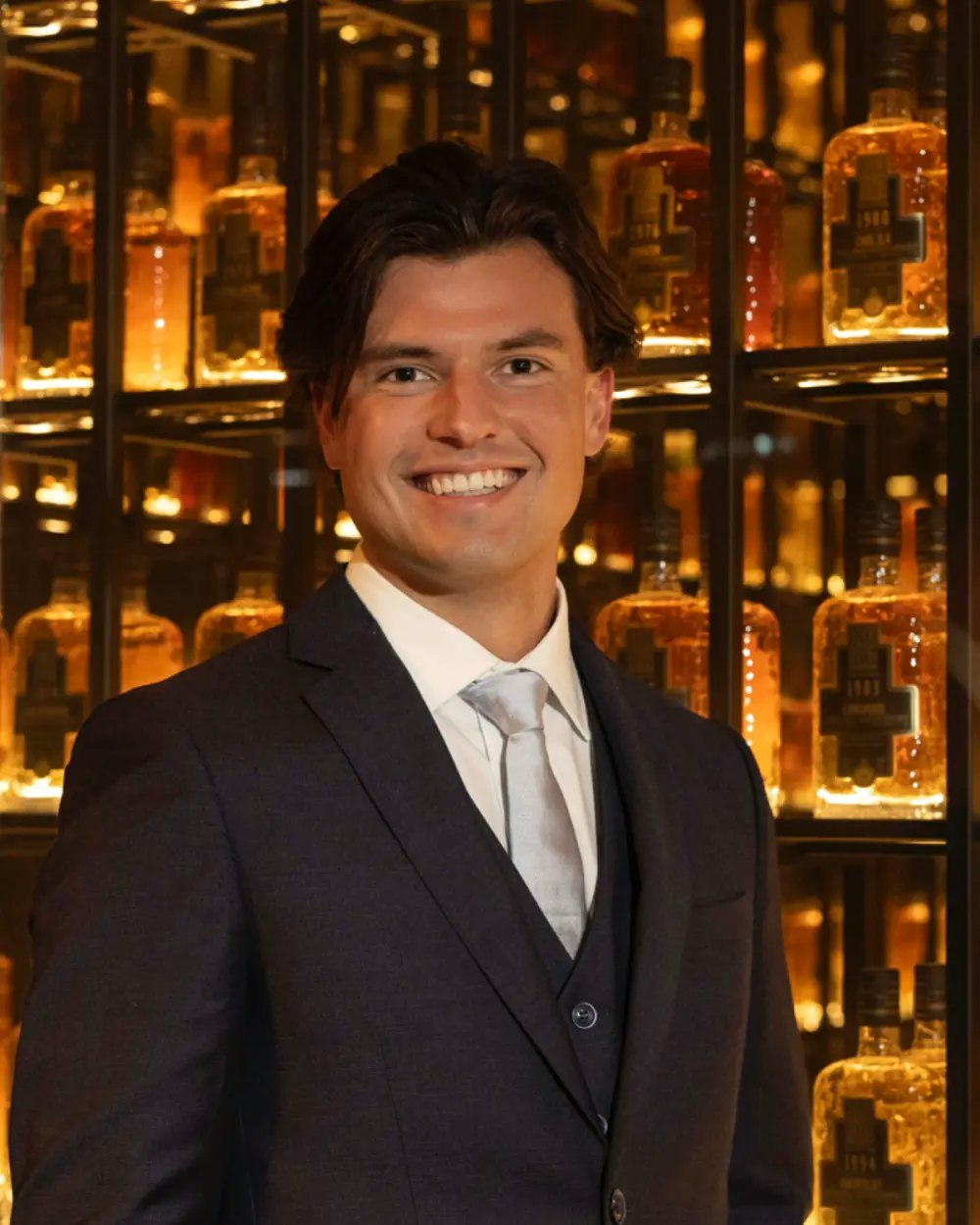
Speak with Boris Postma about how a whisky investment works, from the first conversation to the sale.